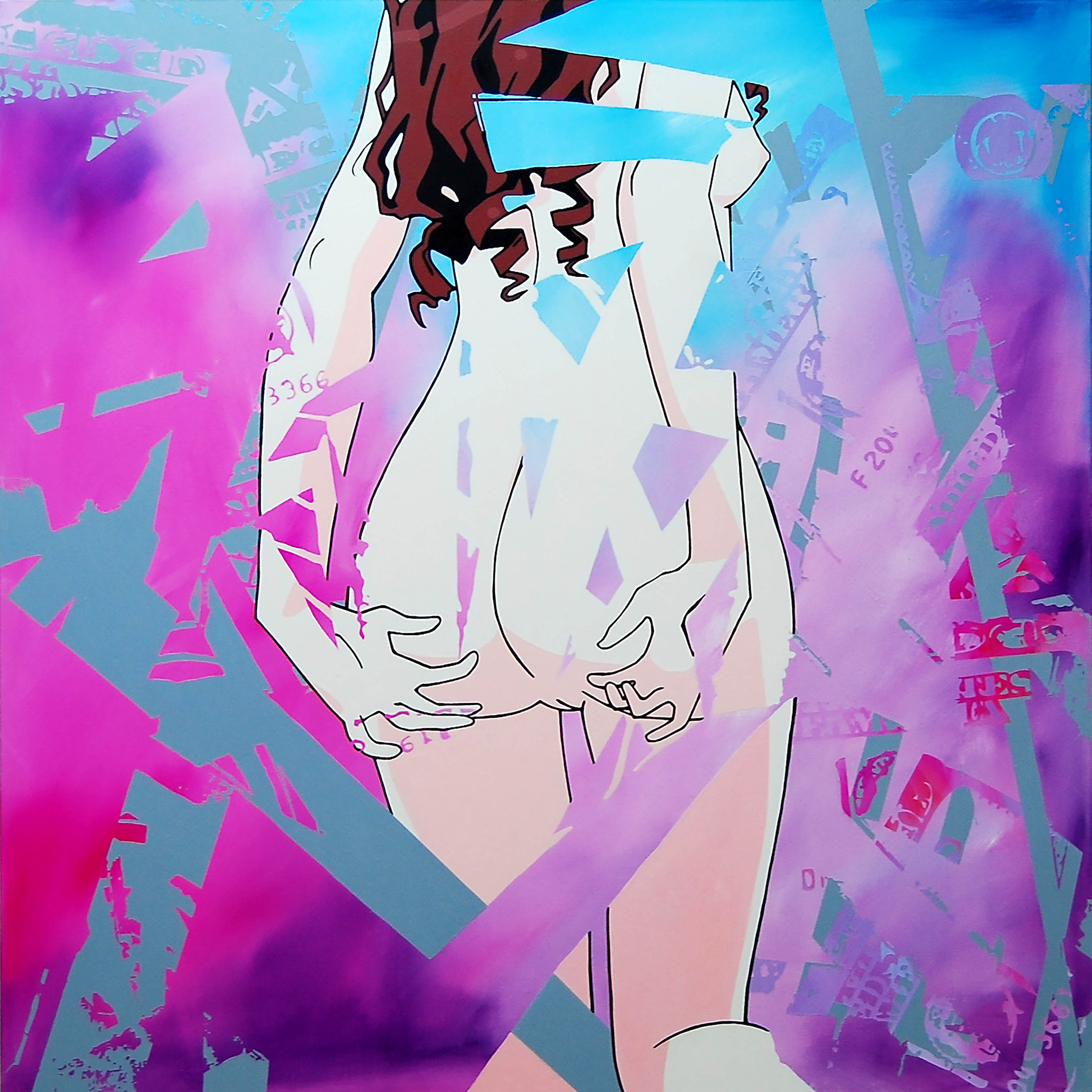
지금까지 작업해왔던 ‘Made in Korea’ 시리즈는 미국, 중국, 일본에 영향을 받은 한국에 질문을 던지는 작품들로 구성되었다. 그 작품들은 역사적·지정학적인 사실을 바탕으로 하며, ‘차용’이란 방식을 통해 역설적인 표현으로 한국을 이야기한다.
이번 개인전 ≪Hommage to Kosuth≫는 ‘Made in Korea’ 시리즈를 원본이라 부를 수 있는 유화 작품들과 그 제작 과정(포토샵을 이용해 jpg 이미지를 만든 후, 그것을 전통적인 방식인 유화로 그렸다)을 함께 선보이는데, 전시 구성 방식에 있어서 조셉 코수스(Joseph Kosuth)의 1965년 작품 <하나이면서 세 개의 의자(One and Three Chairs)>를 차용했다.
알려진 대로 코수스는 ‘의자’라는 실제 사물과 그것을 찍은 사진 이미지 그리고 의자에 대한 사전적 정의를 함께 제시함으로써 개념미술의 포문을 열었다. 나는 코수스의 ‘의자’와 상응하는 것을 유화 작품으로 보고, 작품의 원본성(originality)이 공격받는 그 제작 과정에 주목하고자 한다. 전시장 벽에는 (아마도 최후까지) 원본의 아우라를 갖는 유화 작품과 애초에 그 원본을 제작 하기 위해 존재했지만, 이제는 원본의 ‘복제’처럼 느껴지는 디지털 프린팅 된 사진이 나란히 걸린다.
여기서 주목할 것은 원본의 이미지를 포함하는 웹사이트 주소 및 QR코드도 함께 표기된다는 점이다. 정체불명의 문자와 기호로 시각화된 텍스트는 관객이 복제된 원본의 이미지를 소유할 수 있게 도와준다. 원본과 복제의 모호해진 경계에 일조하는 웹사이트 주소나 QR코드가 갖는 이러한 기능은 동시대 미술이 담보한 텍스트의 개념적 확장으로도 볼 수 있을 것이다.
전시를 준비하면서 오랜 기간 익숙해져 버린 작업 방식에서 자칫 놓칠 수 있었던 것들을 발견하는 과정이 흥미로웠다. 이번 전시는 ‘Made in Korea’ 시리즈를 진행하면서 보이지 않게 누적된 의문의 실타래를 풀어나가고, 그것을 관객들과 공유하고자 하는 또 다른 과정이 아닐까 생각된다.
이번 개인전 ≪Hommage to Kosuth≫는 ‘Made in Korea’ 시리즈를 원본이라 부를 수 있는 유화 작품들과 그 제작 과정(포토샵을 이용해 jpg 이미지를 만든 후, 그것을 전통적인 방식인 유화로 그렸다)을 함께 선보이는데, 전시 구성 방식에 있어서 조셉 코수스(Joseph Kosuth)의 1965년 작품 <하나이면서 세 개의 의자(One and Three Chairs)>를 차용했다.
알려진 대로 코수스는 ‘의자’라는 실제 사물과 그것을 찍은 사진 이미지 그리고 의자에 대한 사전적 정의를 함께 제시함으로써 개념미술의 포문을 열었다. 나는 코수스의 ‘의자’와 상응하는 것을 유화 작품으로 보고, 작품의 원본성(originality)이 공격받는 그 제작 과정에 주목하고자 한다. 전시장 벽에는 (아마도 최후까지) 원본의 아우라를 갖는 유화 작품과 애초에 그 원본을 제작 하기 위해 존재했지만, 이제는 원본의 ‘복제’처럼 느껴지는 디지털 프린팅 된 사진이 나란히 걸린다.
여기서 주목할 것은 원본의 이미지를 포함하는 웹사이트 주소 및 QR코드도 함께 표기된다는 점이다. 정체불명의 문자와 기호로 시각화된 텍스트는 관객이 복제된 원본의 이미지를 소유할 수 있게 도와준다. 원본과 복제의 모호해진 경계에 일조하는 웹사이트 주소나 QR코드가 갖는 이러한 기능은 동시대 미술이 담보한 텍스트의 개념적 확장으로도 볼 수 있을 것이다.
전시를 준비하면서 오랜 기간 익숙해져 버린 작업 방식에서 자칫 놓칠 수 있었던 것들을 발견하는 과정이 흥미로웠다. 이번 전시는 ‘Made in Korea’ 시리즈를 진행하면서 보이지 않게 누적된 의문의 실타래를 풀어나가고, 그것을 관객들과 공유하고자 하는 또 다른 과정이 아닐까 생각된다.
The Made in Korea series I have developed thus far consists of works that pose questions about Korea as a nation shaped by the influence of the United States, China, and Japan. These works are grounded in historical and geopolitical realities and speak about Korea through paradoxical expressions created by the method of appropriation.
This solo exhibition, Hommage to Kosuth, presents both the oil paintings that may be regarded as the originals of the Made in Korea series and the processes through which they were produced. The works are created by first generating JPG images using Photoshop and then translating them into oil paintings through a traditional painting method. In terms of exhibition structure, this presentation appropriates Joseph Kosuth’s 1965 work One and Three Chairs.
As is well known, Kosuth opened the field of conceptual art by presenting a physical chair, a photographic image of that chair, and a dictionary definition of the word “chair” together. In this exhibition, I regard the oil painting as the counterpart to Kosuth’s “chair” and focus on the production process in which the originality of the artwork is put into question.
On the gallery wall, the oil painting—which (perhaps until the very end) retains the aura of the original—is displayed alongside a digitally printed image that initially existed solely to produce the original but now appears as a kind of reproduction of it. What is particularly noteworthy is that the website address and QR code containing the image of the original work are also presented. This text, visualized as an obscure combination of characters and symbols, allows the viewer to possess the reproduced image of the original.
The function of the website address and QR code—contributing to the blurred boundary between original and reproduction—can be understood as a conceptual expansion of text as it operates within contemporary art.
While preparing this exhibition, I found it especially compelling to rediscover aspects of my practice that might have been overlooked through long familiarity with a particular working process. This exhibition may be understood as another stage in unraveling the accumulated threads of questions that have quietly formed throughout the Made in Korea series, and in sharing that process with the audience.
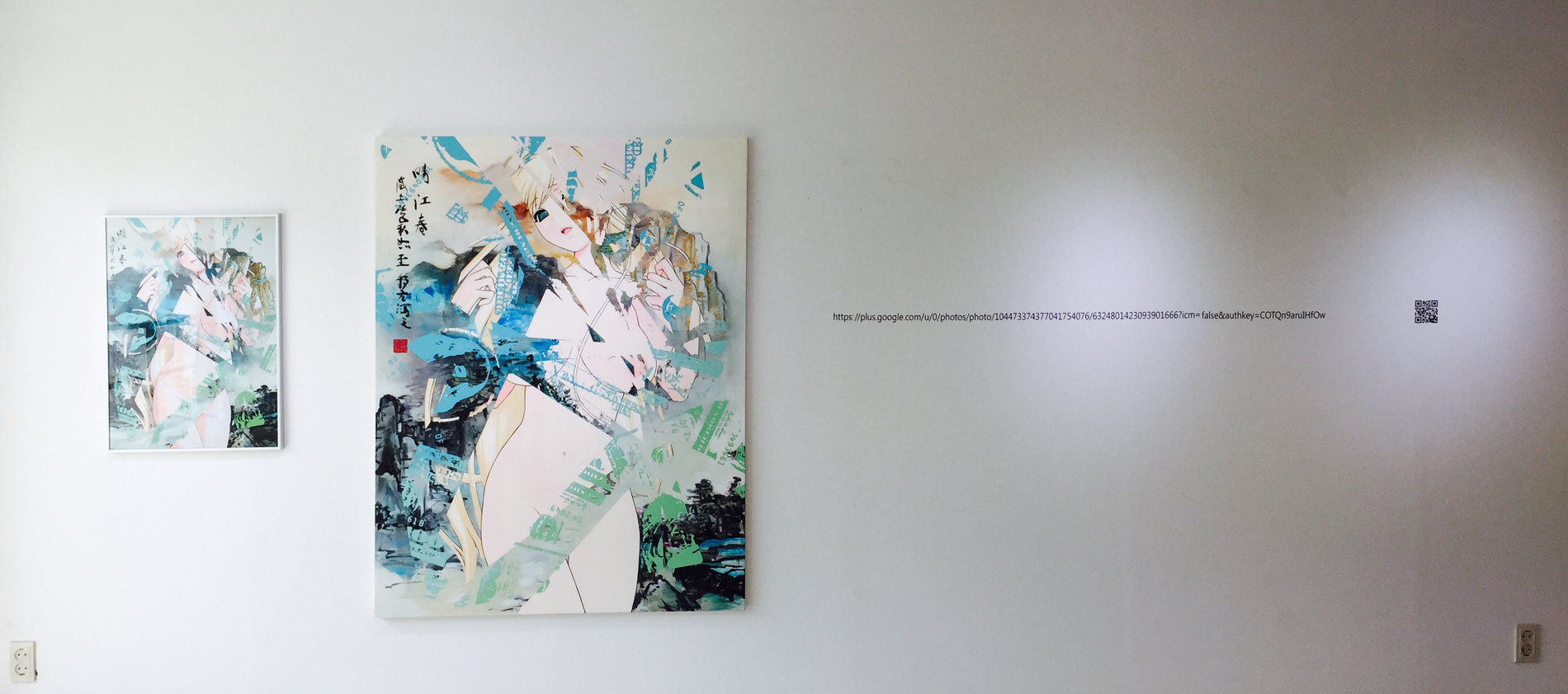
One and Four Girls in the Trap, 2016
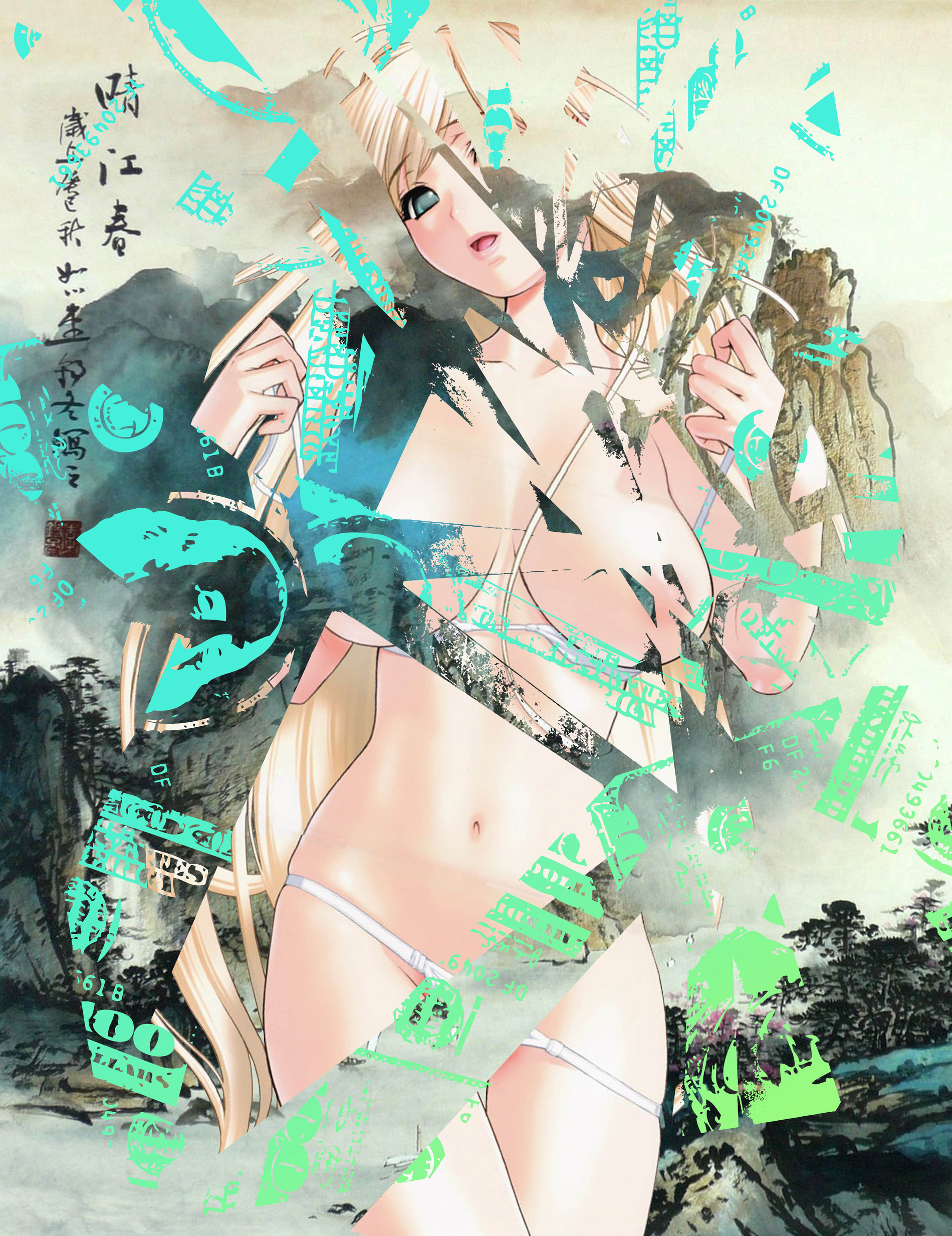
A Girl in the Trap, Jpg file, 70 x 50 cm, 2016
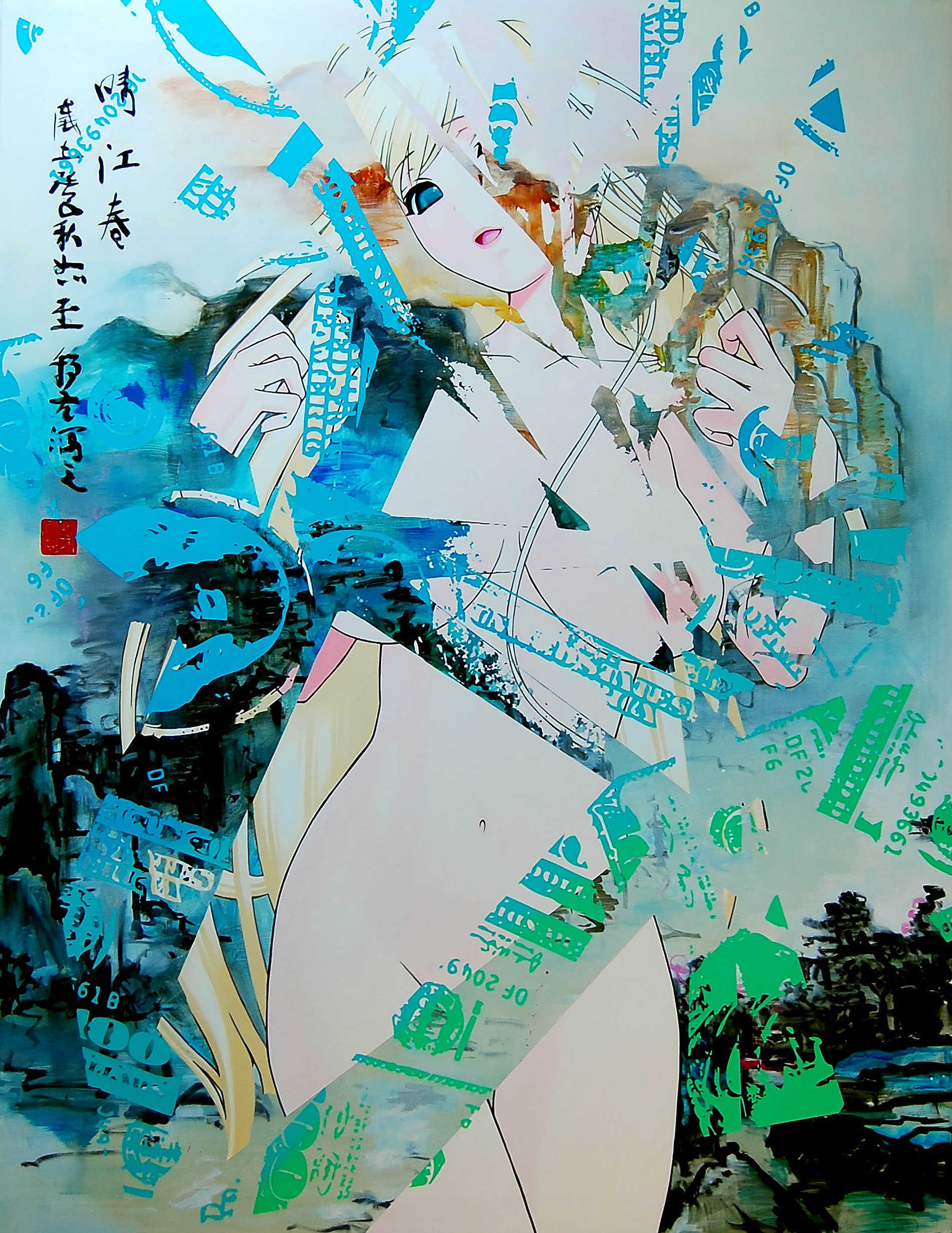
A Girl in the Trap, Oil on canvas, 145.5 x 112.1 cm, 2016
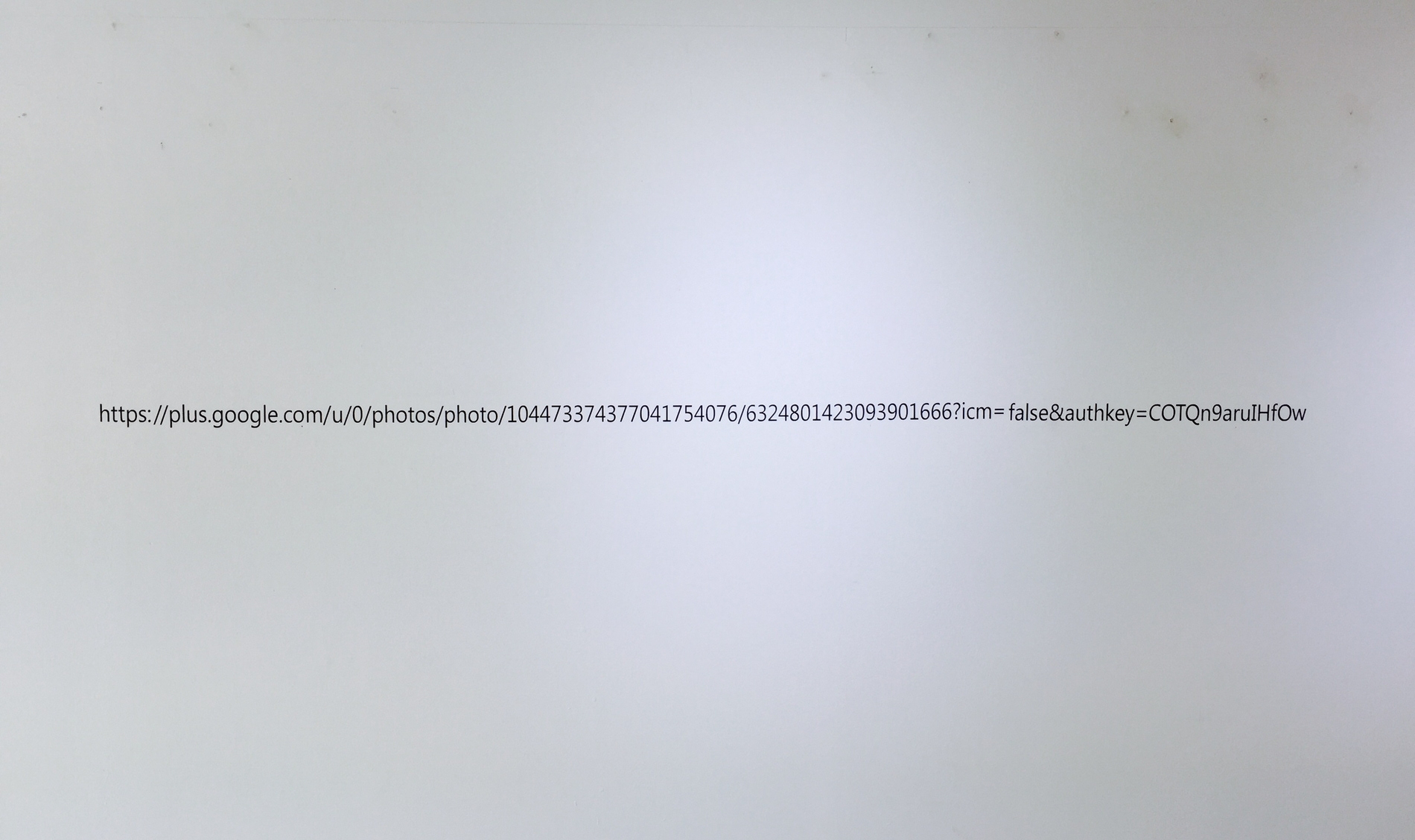
A Girl in the Trap, Sheet Paper, Dimensions Variable, 2016
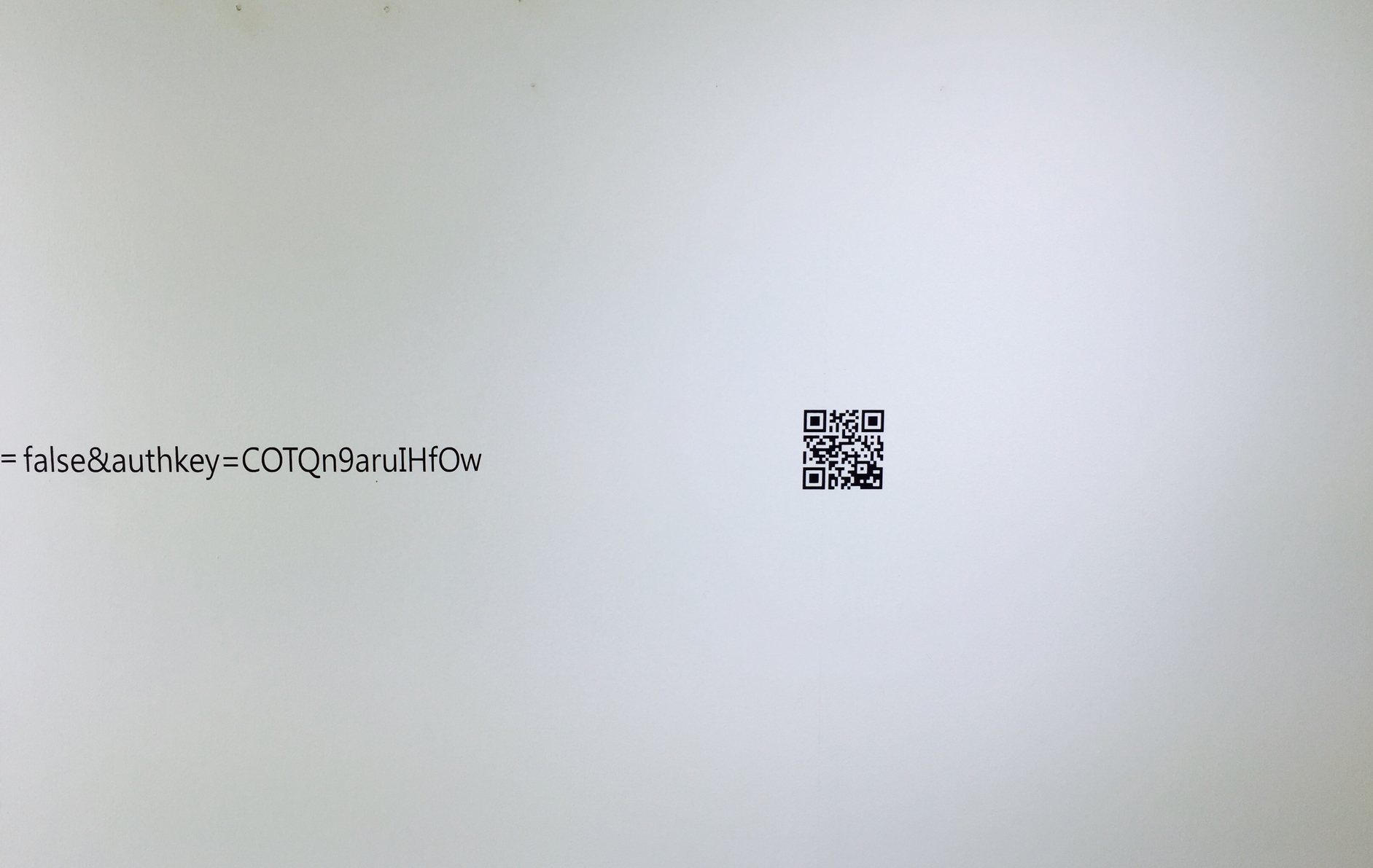
A Girl in the Trap, Sheet Paper, Dimensions Variable, 2016
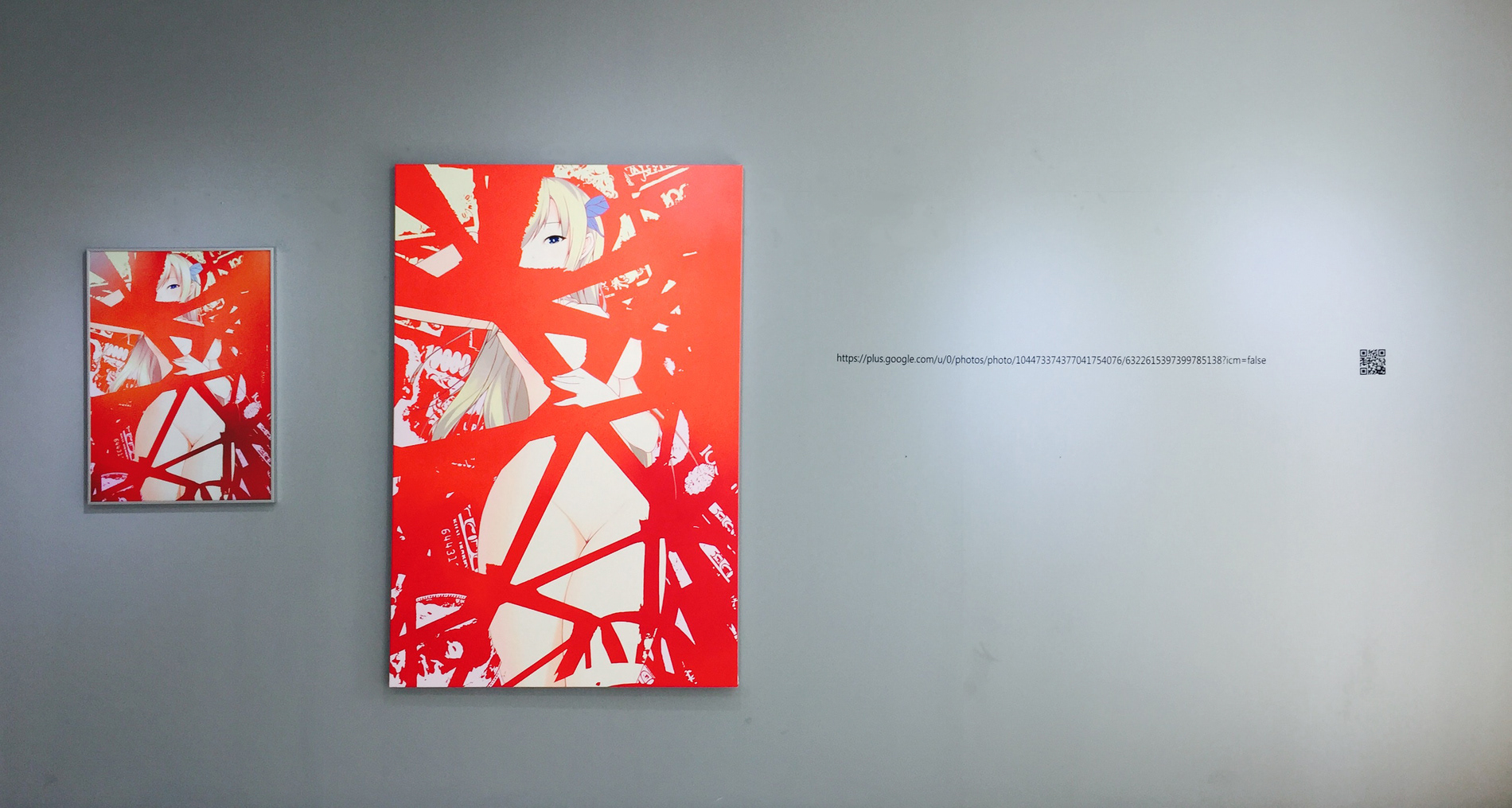
One and Four Girls in the Trap, 2016
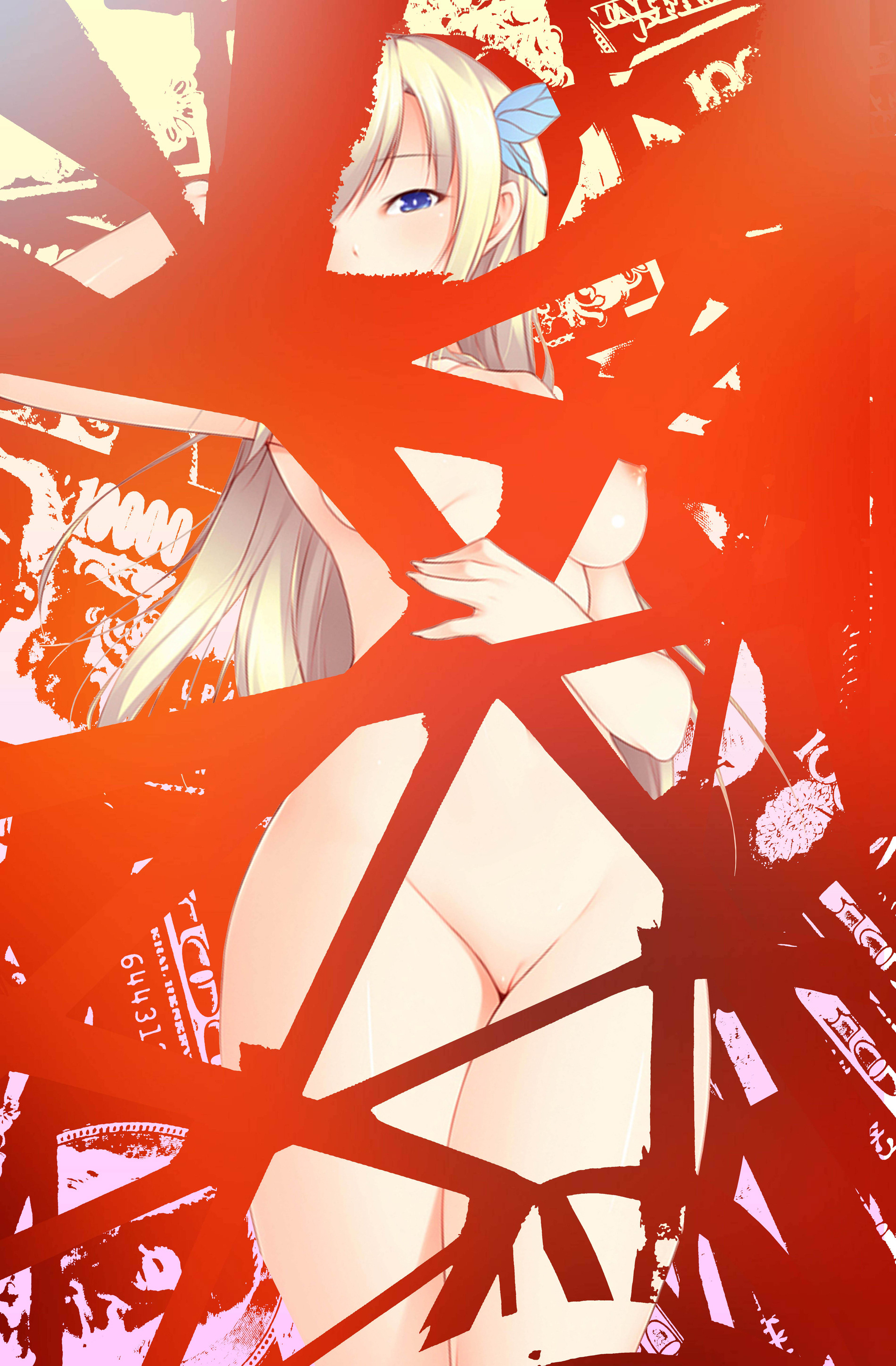
A Girl in the Trap, Jpg file, 70 x 50 cm, 2016
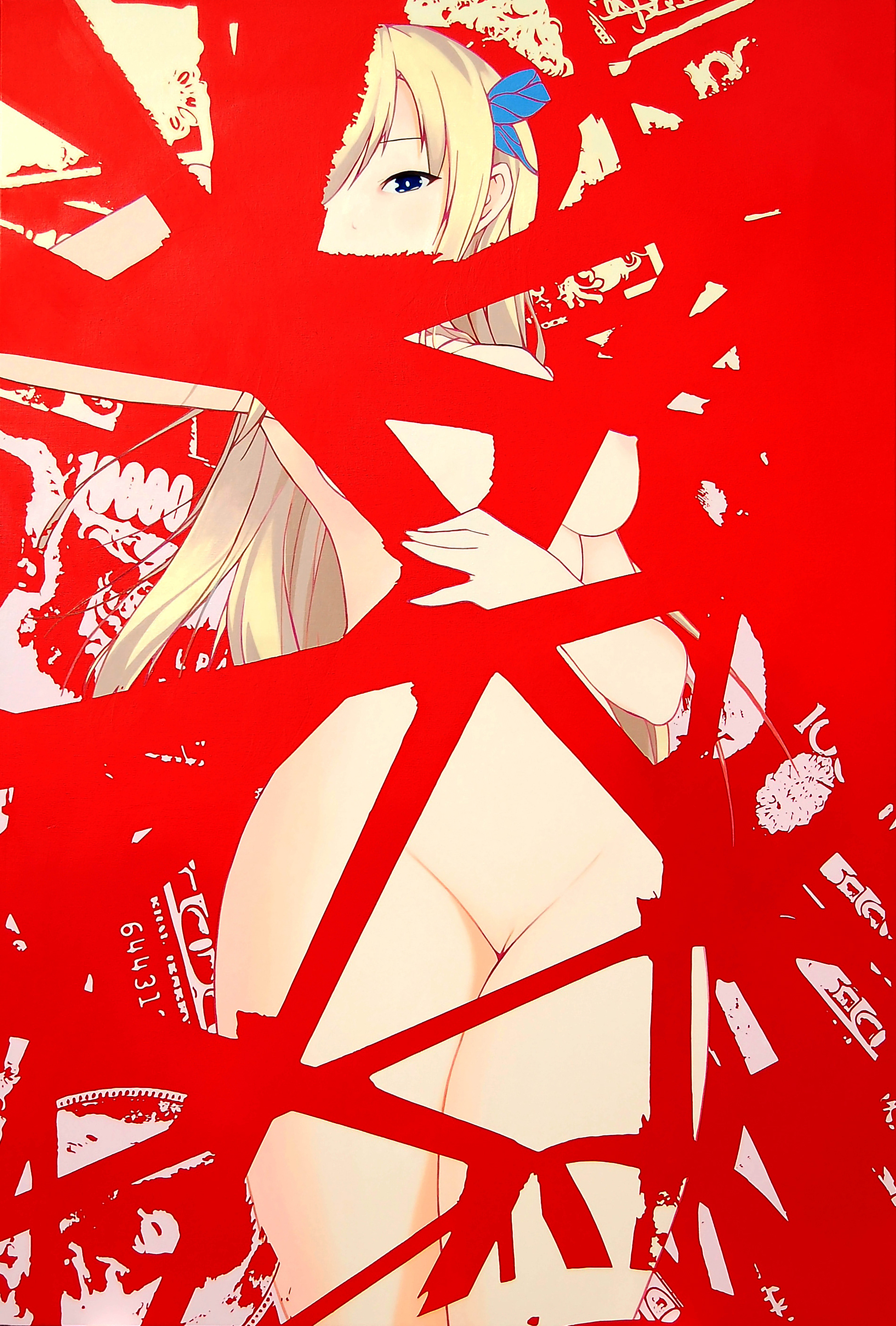
A Girl in the Trap, Oil on canvas, 145.5 x 97 cm, 2016
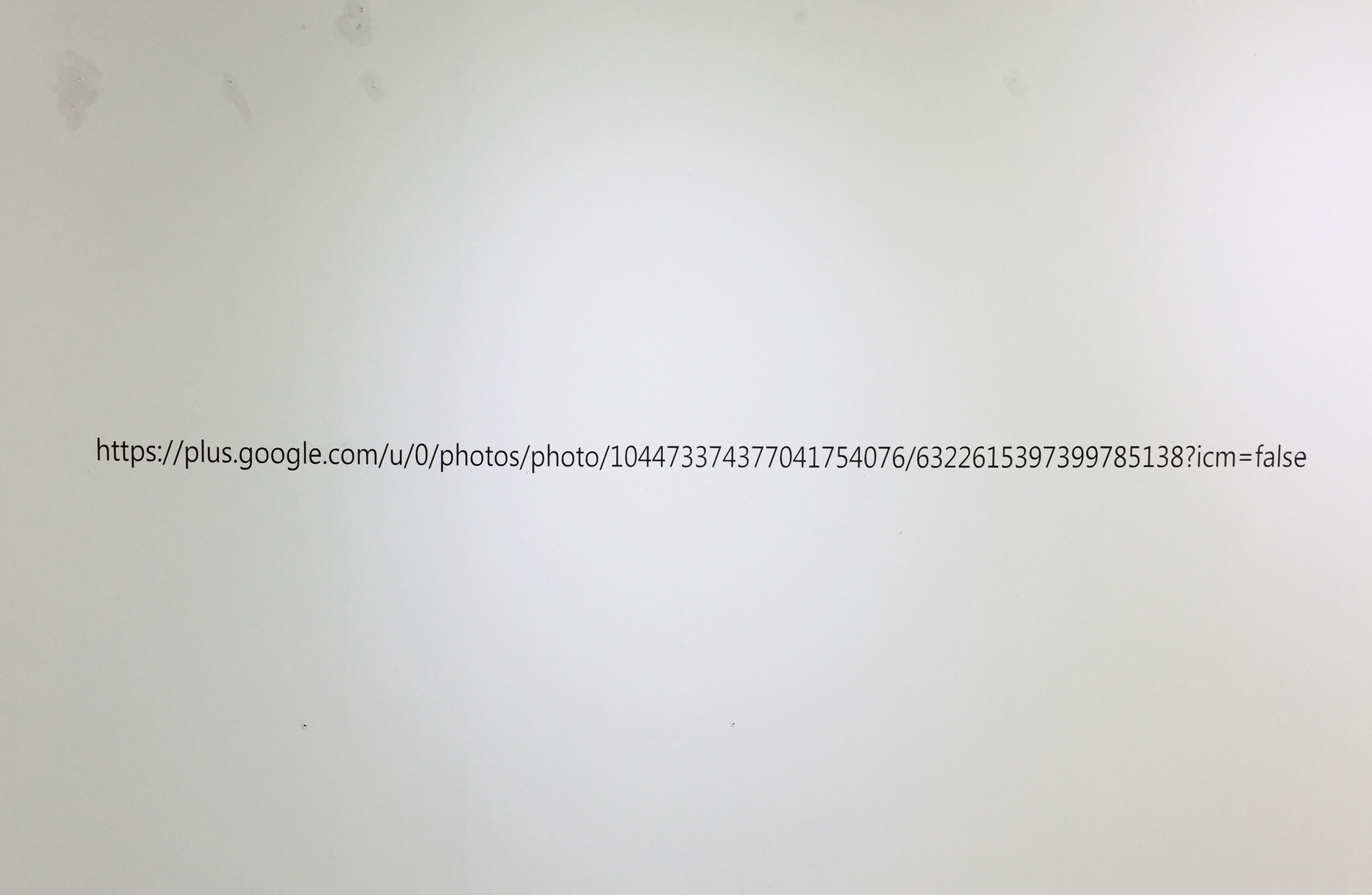
A Girl in the Trap Sheet Paper, Dimensions Variable, 2016
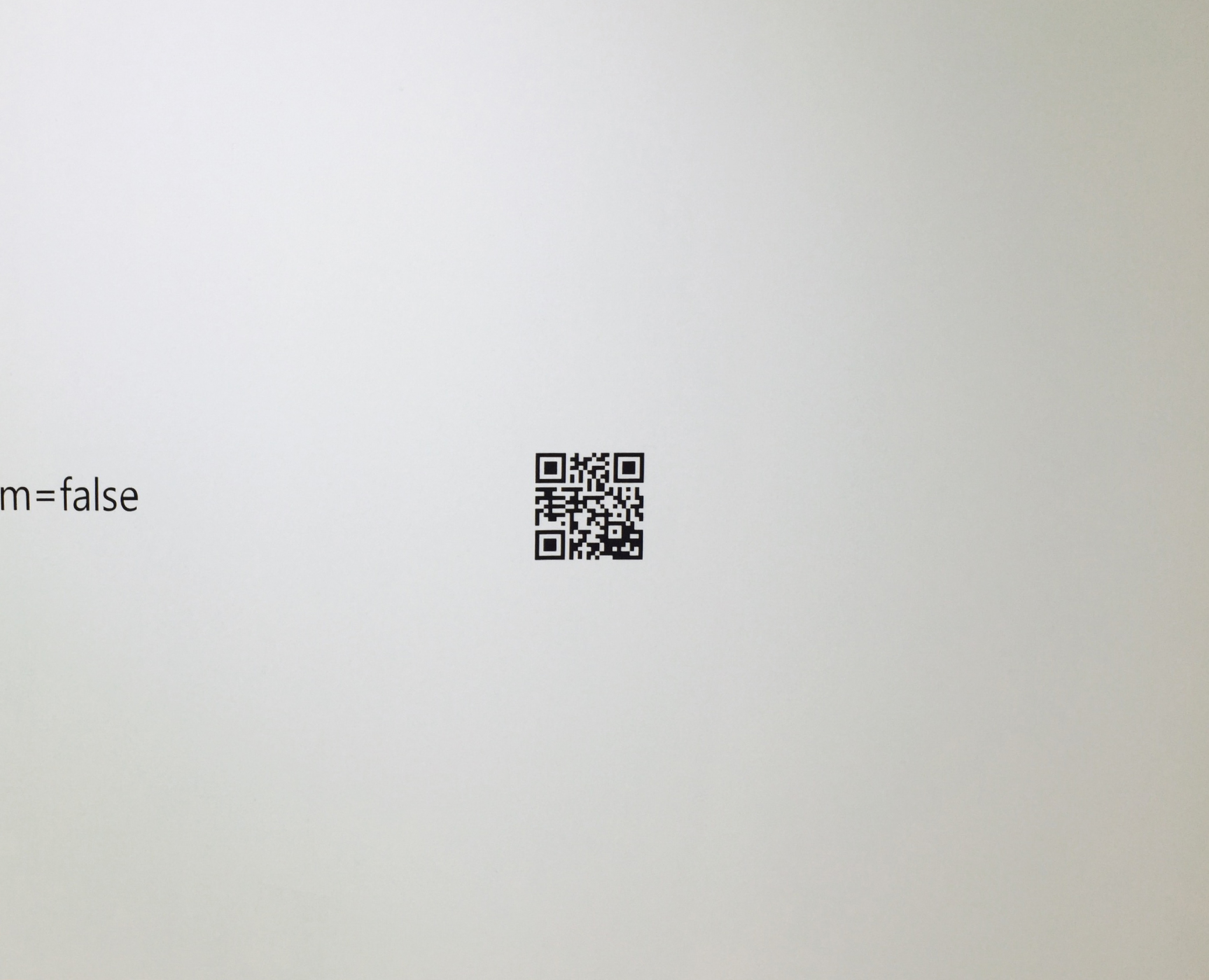
A Girl in the Trap Sheet Paper, Dimensions Variable, 2016
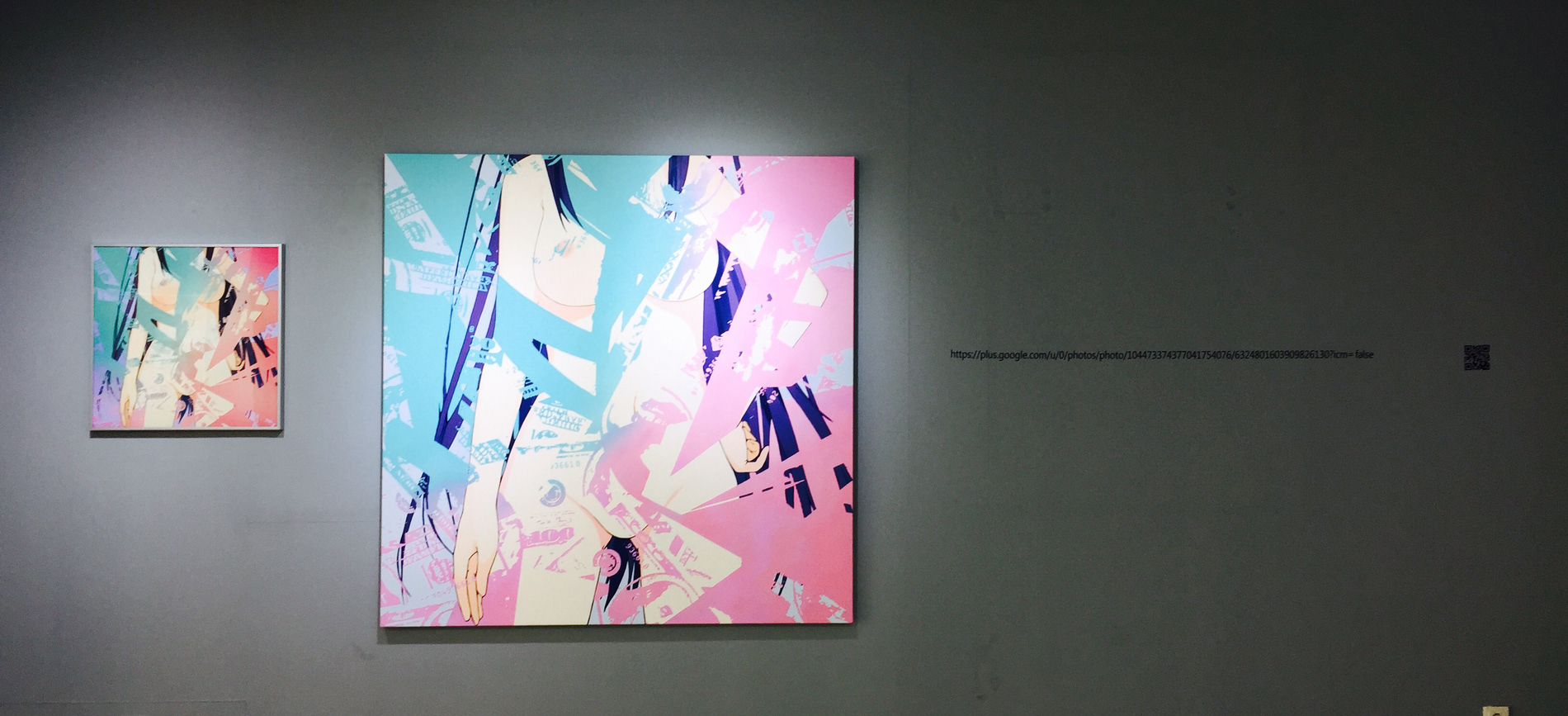
One and Four Girls in the Trap, 2016
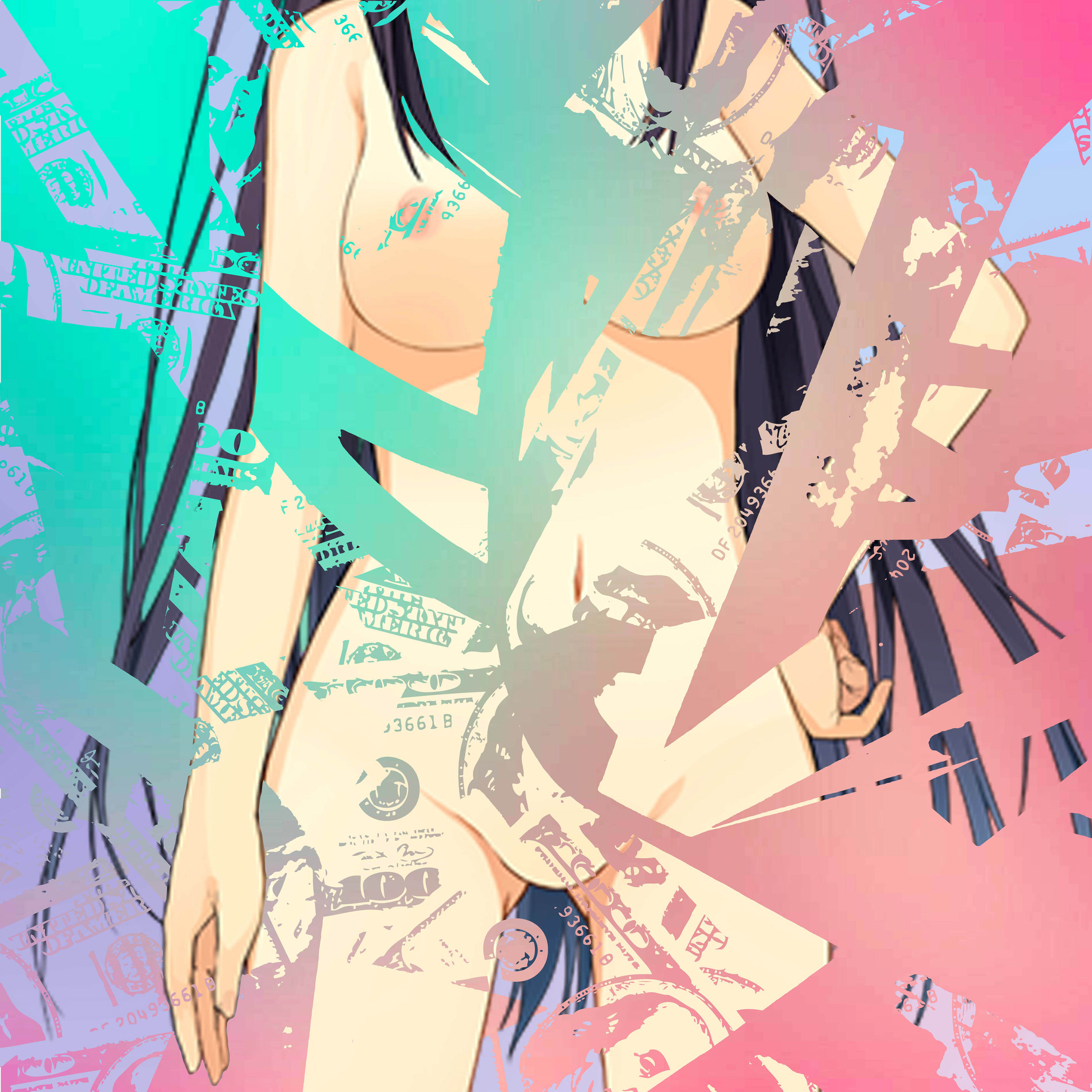
A Girl in the Trap, Jpg file, 50 x 50 cm, 2016
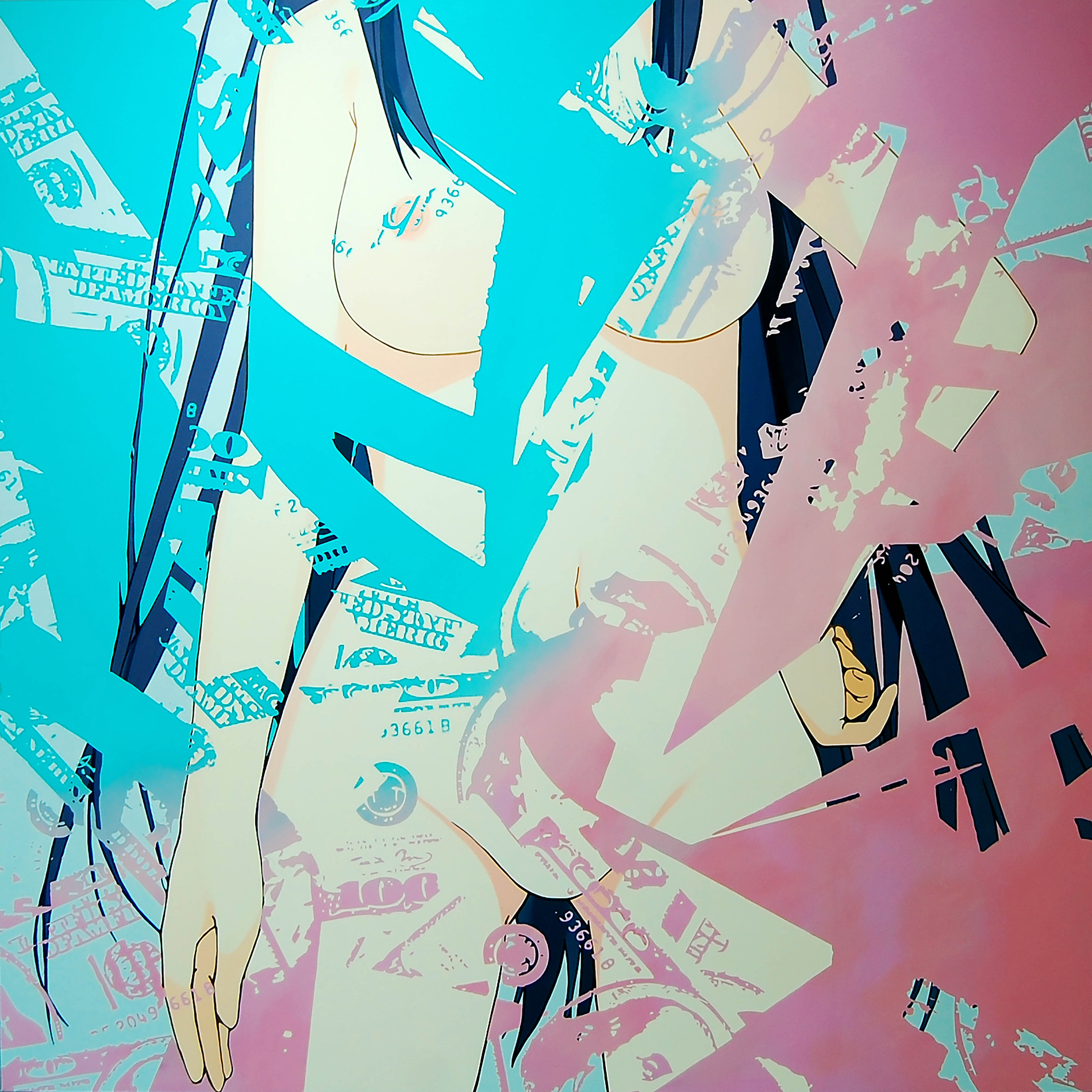
A Girl in the Trap, Oil on canvas, 130 x 130 cm, 2016
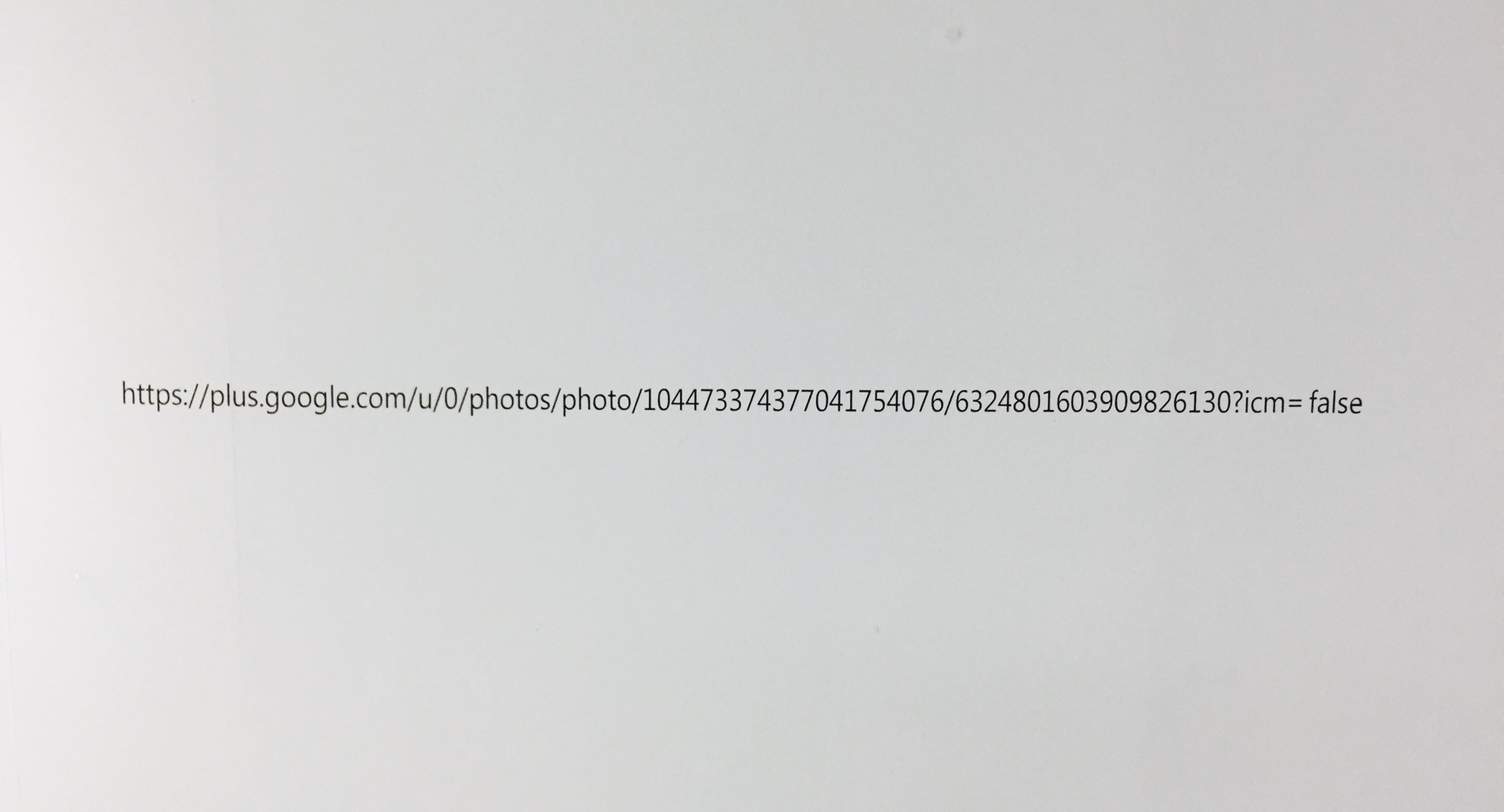
A Girl in the Trap Sheet Paper, Dimensions Variable, 2016
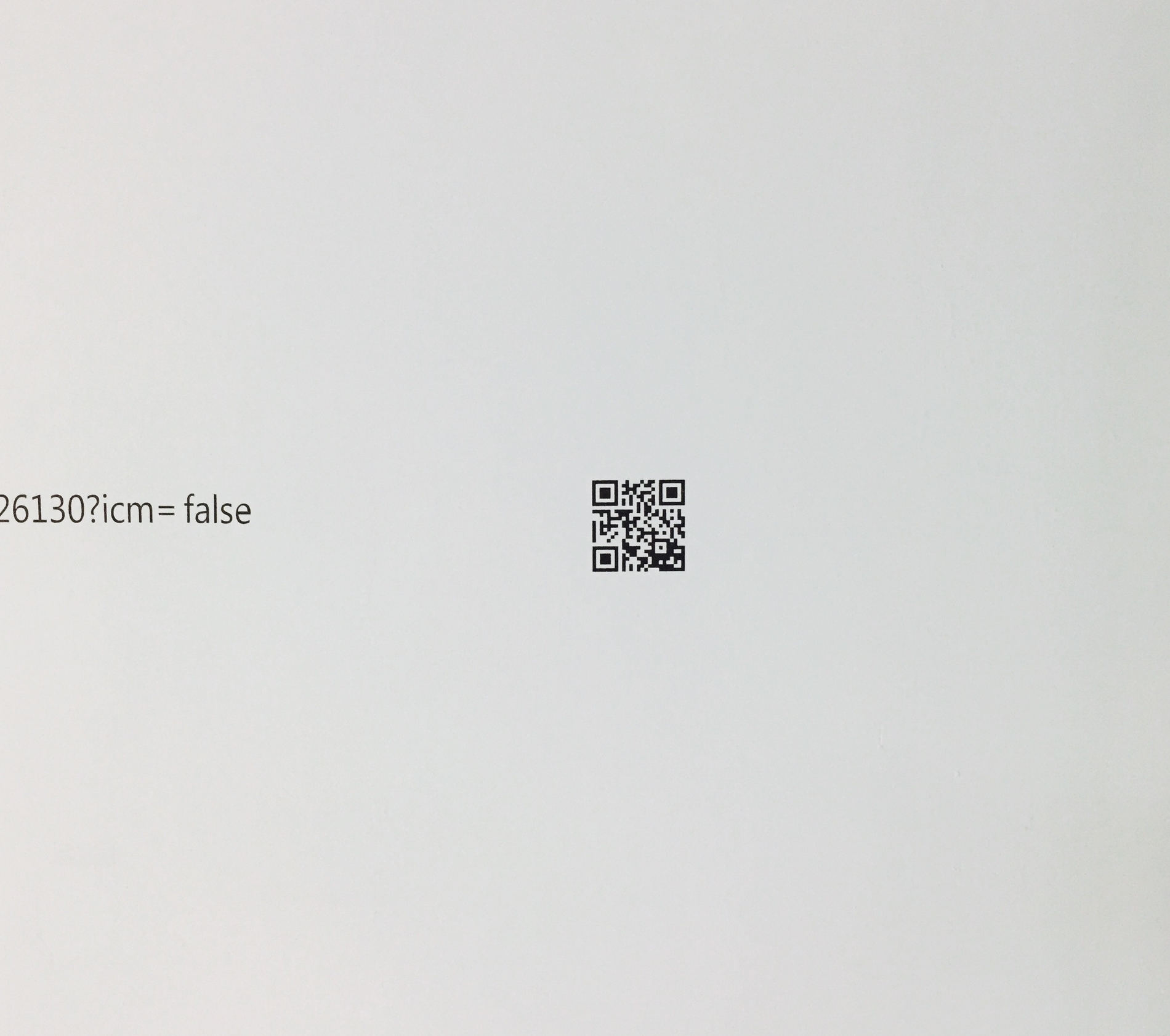
A Girl in the Trap Sheet Paper, Dimensions Variable, 2016
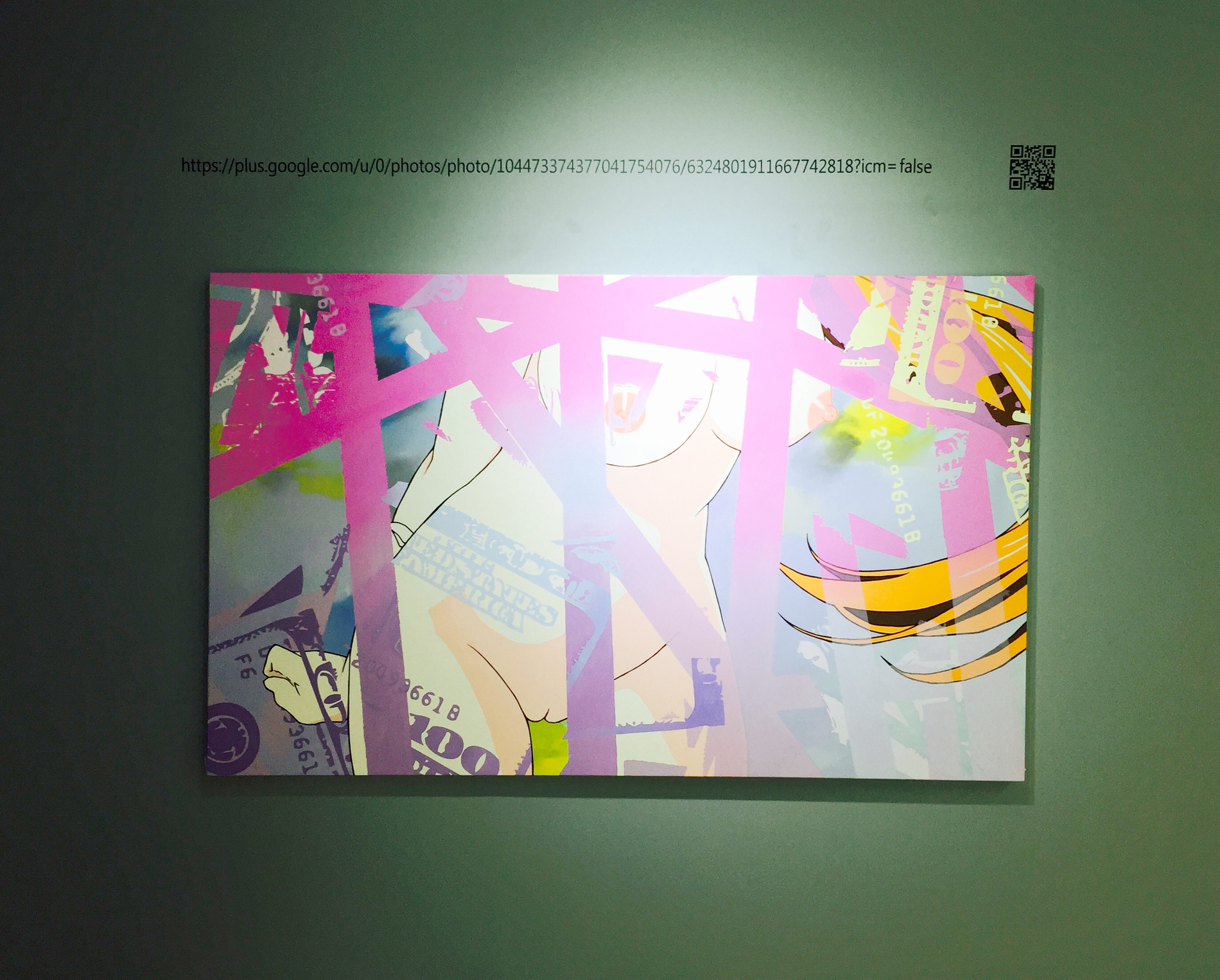
One and Three Girls in the Trap, 2016
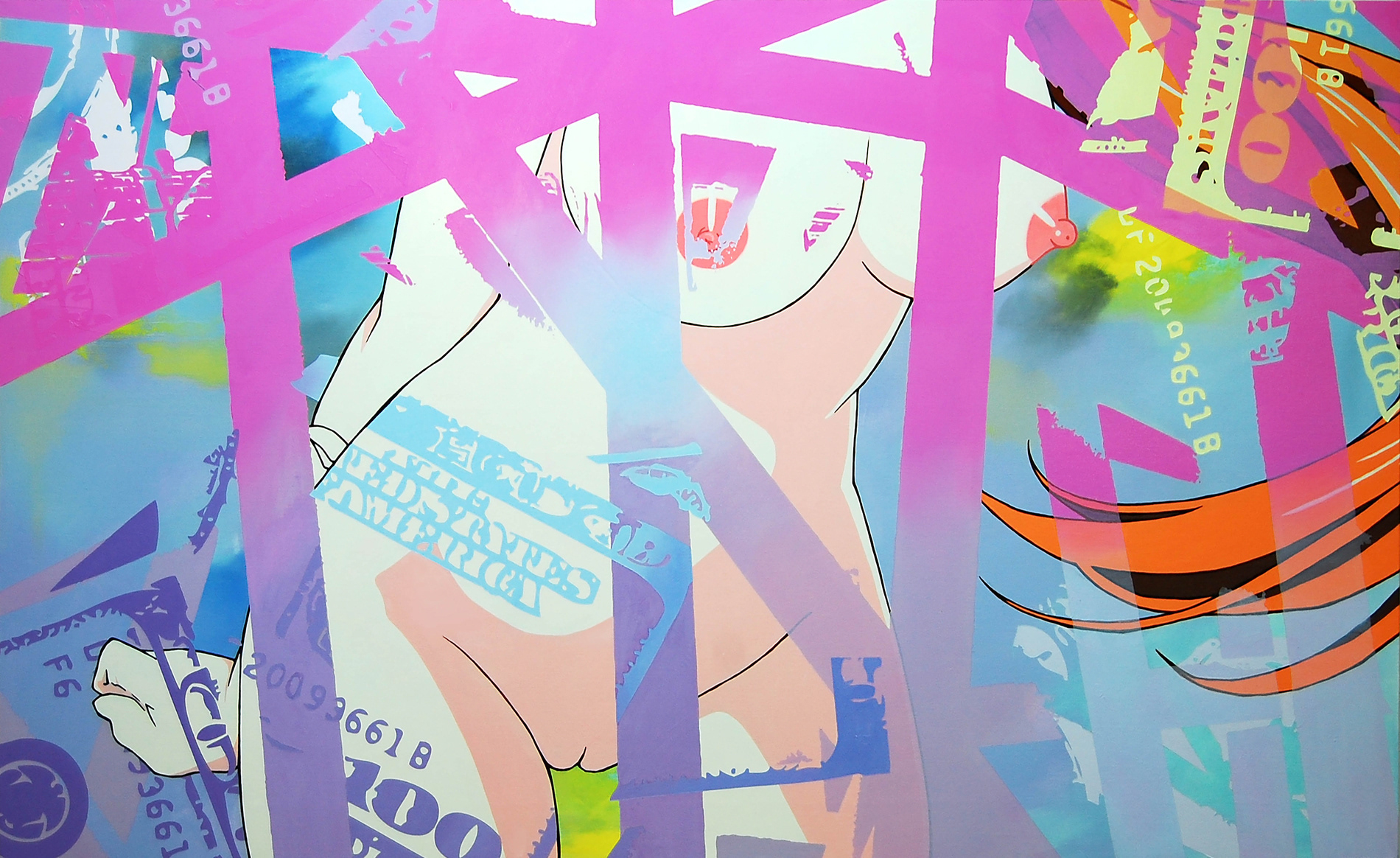
A Girl in the Trap, Oil on canvas, 80.3 x 130 cm, 2016
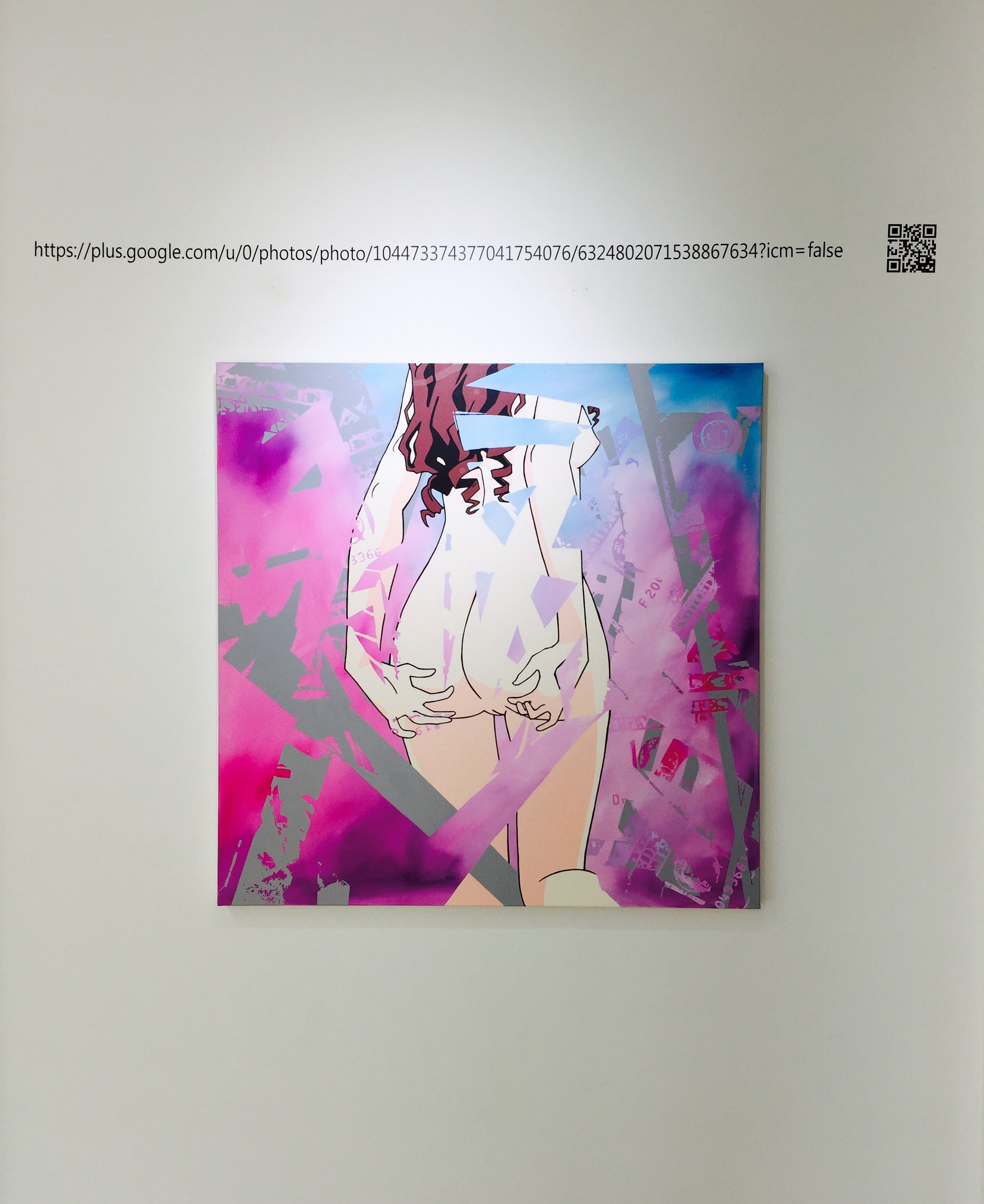
One and Three Girls in the Trap, 2016