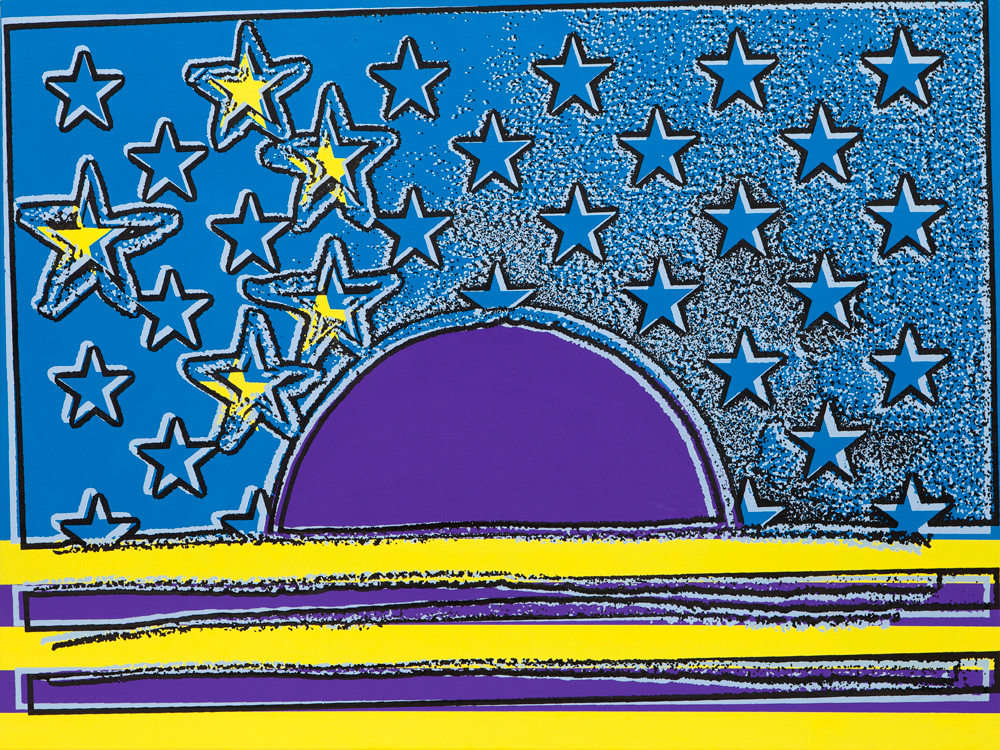
'Made in Korea’ 시리즈는 ‘한국은 미국, 일본 그리고 중국의 영향을 받은 것이 아닐까?’ 라는 질문에서 시작한다.
역사적으로 한국은 19세기까지 중국으로부터 많은 영향을 받아왔다. 한자 문화권, 유교 사상은 그 대표적인 예라고 볼 수 있다. 1910년부터는 36년간 일제강점기 시대였고 남북분단 이후, 북한은 다시 중국의 영향권으로, 남한은 미국의 영향권 아래, 21세기를 맞이했다.
이런 상황 속에서 나는 우리나라, 대한민국에 대해서 객관적으로 생각해 보았다. 그리고 질문 하나가 떠올랐다. ‘도대체 진정한 한국의 것은 무엇일까?’
역사적으로 한국은 19세기까지 중국으로부터 많은 영향을 받아왔다. 한자 문화권, 유교 사상은 그 대표적인 예라고 볼 수 있다. 1910년부터는 36년간 일제강점기 시대였고 남북분단 이후, 북한은 다시 중국의 영향권으로, 남한은 미국의 영향권 아래, 21세기를 맞이했다.
이런 상황 속에서 나는 우리나라, 대한민국에 대해서 객관적으로 생각해 보았다. 그리고 질문 하나가 떠올랐다. ‘도대체 진정한 한국의 것은 무엇일까?’
‘전통적’이라 불리는 것들에 대한 의문과 우리가 흔히 사용하고 있는 언어의 어원들은 위의 질문에 근거가 될 수도 있을 것이다.
결국, 나는 한국의 역사적 그리고 객관적 사실을 바탕으로 ‘한국의 것은 미국, 일본 그리고 중국의 조합이 아닐까?’라는 주장을 작품으로 표현했다.
작품에서는 한국의 이미지 대신, 오직 미국, 일본 그리고 중국의 이미지와 아이콘의 조합만 볼 수 있다. 그러나 작품의 시리즈 타이틀을 ‘Made in Korea’로 함으로서 역설적으로 한국을 표현하고 있다.
이것은 마치 이 시리즈를 구상했을 2011년 당시, 우리 가족을 보는 것과 같았다. 우리 가족은 모두 한국인인 것이 분명하지만, 그 누구도 한국에 있지 않았다. 부모님은 중국 상하이에, 동생은 일본에(현재는 미국에), 그리고 나는 영국에 있었다.
나는 이런 아이러니한 상황이 제 작품에서 볼 수 있는 역설적 표현 방식의 원인이 되지 않았을까 생각했다.
이번 시리즈의 첫 작품인 ‘Rei in Shanghai with Fifty Stars’에서는 일본의 대표적 이미지 중 하나인 애니메이션 캐릭터(신세기 에반게리온의 레이)를 볼 수 있다. 그와 동시에 중국 경제의 중심 도시 상하이의 와이탄 풍경과 미국의 50개 주를 상징하는 별 50개가 어지럽게 섞여 정체를 알 수 없는 새로운 이미지를 만들고 있다. 그것이 어쩌면 새로운 한국의 이미지가 아닌가 하는 것이 이번 시리즈를 통해서 말하고자 하는 것이다.
결국, 나는 한국의 역사적 그리고 객관적 사실을 바탕으로 ‘한국의 것은 미국, 일본 그리고 중국의 조합이 아닐까?’라는 주장을 작품으로 표현했다.
작품에서는 한국의 이미지 대신, 오직 미국, 일본 그리고 중국의 이미지와 아이콘의 조합만 볼 수 있다. 그러나 작품의 시리즈 타이틀을 ‘Made in Korea’로 함으로서 역설적으로 한국을 표현하고 있다.
이것은 마치 이 시리즈를 구상했을 2011년 당시, 우리 가족을 보는 것과 같았다. 우리 가족은 모두 한국인인 것이 분명하지만, 그 누구도 한국에 있지 않았다. 부모님은 중국 상하이에, 동생은 일본에(현재는 미국에), 그리고 나는 영국에 있었다.
나는 이런 아이러니한 상황이 제 작품에서 볼 수 있는 역설적 표현 방식의 원인이 되지 않았을까 생각했다.
이번 시리즈의 첫 작품인 ‘Rei in Shanghai with Fifty Stars’에서는 일본의 대표적 이미지 중 하나인 애니메이션 캐릭터(신세기 에반게리온의 레이)를 볼 수 있다. 그와 동시에 중국 경제의 중심 도시 상하이의 와이탄 풍경과 미국의 50개 주를 상징하는 별 50개가 어지럽게 섞여 정체를 알 수 없는 새로운 이미지를 만들고 있다. 그것이 어쩌면 새로운 한국의 이미지가 아닌가 하는 것이 이번 시리즈를 통해서 말하고자 하는 것이다.
와이탄 풍경은 세계 여러 나라의 건축 양식들의 영향을 받아 만들어진 것이다. 그것은 독특한 그들만의 풍경이 되었고, 이제는 중국 그리고 상하이를 상징하는 대표적인 이미지 중 하나가 되었다. 그리고 이것은 다시 ‘Made in Korea’ 시리즈에 영향을 주었다. 그뿐만 아니라, 한국에 영향을 준 미국도 수많은 이민자로 이루어져, 서로에게 영향을 주고받으며 현재의 미국이 되었다. United States of America란 이름에서도 알 수 있듯이 미국은 그것이 미국 그 자체인 것이다.
‘하늘 아래 새로운 것은 없다.’란 말이 있다. 그러나 현대 사회에서는 ‘기존에 있던 것들의 영향을 받은 조합, 합성 또는 차용이 새로운 “새로운 것”의 정의가 될 수 있지 않을까?’란 생각을 해 보았다.
‘하늘 아래 새로운 것은 없다.’란 말이 있다. 그러나 현대 사회에서는 ‘기존에 있던 것들의 영향을 받은 조합, 합성 또는 차용이 새로운 “새로운 것”의 정의가 될 수 있지 않을까?’란 생각을 해 보았다.
결론적으로 나는 이러한 사고의 과정을 통한 작품 속에서 새로운 나의 것, 한국의 것을 찾는 것이 예술가로서 궁극적인 목표라고 말하고 싶다.
The Made in Korea series began with a question:
Is Korea a country shaped by the influence of the United States, Japan, and China?
Is Korea a country shaped by the influence of the United States, Japan, and China?
Historically, Korea was deeply influenced by China until the nineteenth century. The use of Chinese characters and Confucian thought are clear examples of this legacy. From 1910, Korea endured thirty-six years of Japanese colonial rule. After the division of North and South Korea, North Korea once again came under China’s influence, while South Korea entered the twenty-first century under the influence of the United States.
Within this historical reality, I began to look at my country-Korea-from a certain distance.
A simple but difficult question emerged:
What is truly Korean?
A simple but difficult question emerged:
What is truly Korean?
Doubts surrounding what we commonly call “tradition,” as well as the origins of the language we use every day, seemed to support this question. Rather than seeking a definitive answer, I arrived at a possibility: that what we call “Korean” may be composed of influences from the United States, Japan, and China. This idea became the foundation of the Made in Korea series.
In the works, images typically associated with Korea are absent. Instead, only images and icons from the United States, Japan, and China appear. Yet the title Made in Korea paradoxically points back to Korea itself.
When I first conceived this series in 2011, my own family reflected a similar paradox. Although we were all Korean, none of us were living in Korea. My parents were in Shanghai, my younger sibling was in Japan (now in the United States), and I was living in the United Kingdom. Looking back, I believe this ironic situation may have shaped the paradoxical mode of expression found in my work.
The first work in the series, Rei in Shanghai with Fifty Stars, brings together disparate images: Rei, a character from Japanese animation; the Bund skyline of Shanghai, a symbol of China’s economic growth; and fifty stars representing the states of the United States. These elements overlap and collide, forming an unfamiliar image with an uncertain identity. Perhaps this image suggests a possible image of a new Korea.
The Bund itself is a landscape formed through the influence of many different architectural styles. Over time, it became a distinctive image of its own and is now one of the most recognizable symbols of Shanghai and China. In a similar way, the United States-another country that has profoundly influenced Korea-was formed through the coexistence and interaction of countless cultures. As its name suggests, the United States is defined by this very multiplicity.
There is a saying: “There is nothing new under the sun.” Yet in contemporary society, I began to wonder whether newness might instead emerge from combinations, appropriations, and syntheses of what already exists.
Through this series, I am not attempting to define what Korea is. Rather, I am searching-through images and contradictions-for something that is my own, and perhaps something that can be called Korean. I believe that this ongoing search is, for me, the ultimate task of an artist.
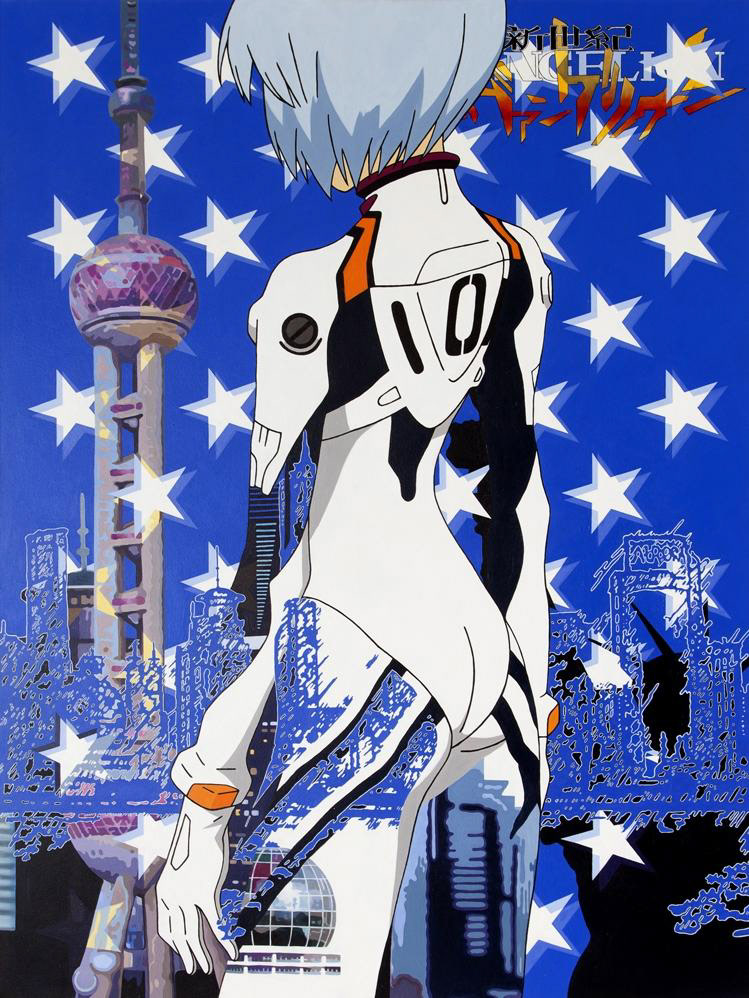
Rei in Shanghai with Fifty Stars, Oil on canvas, 180 x 135 cm, 2011
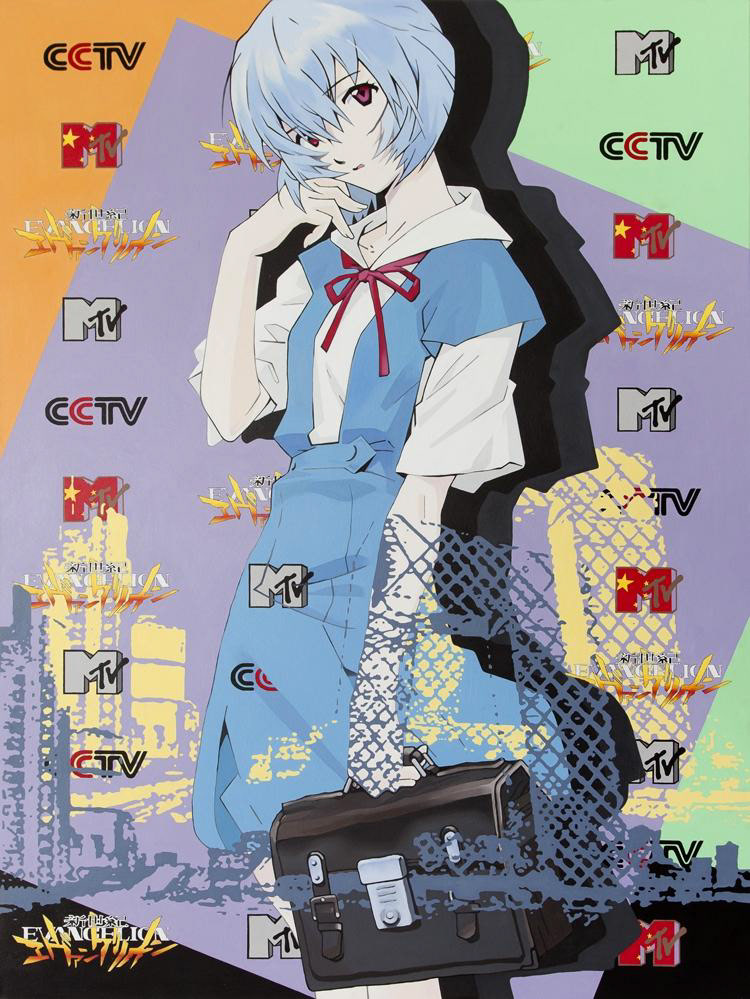
Rei in MTV Music Awards Beijing, Oil on canvas, 180 x 135 cm, 2011
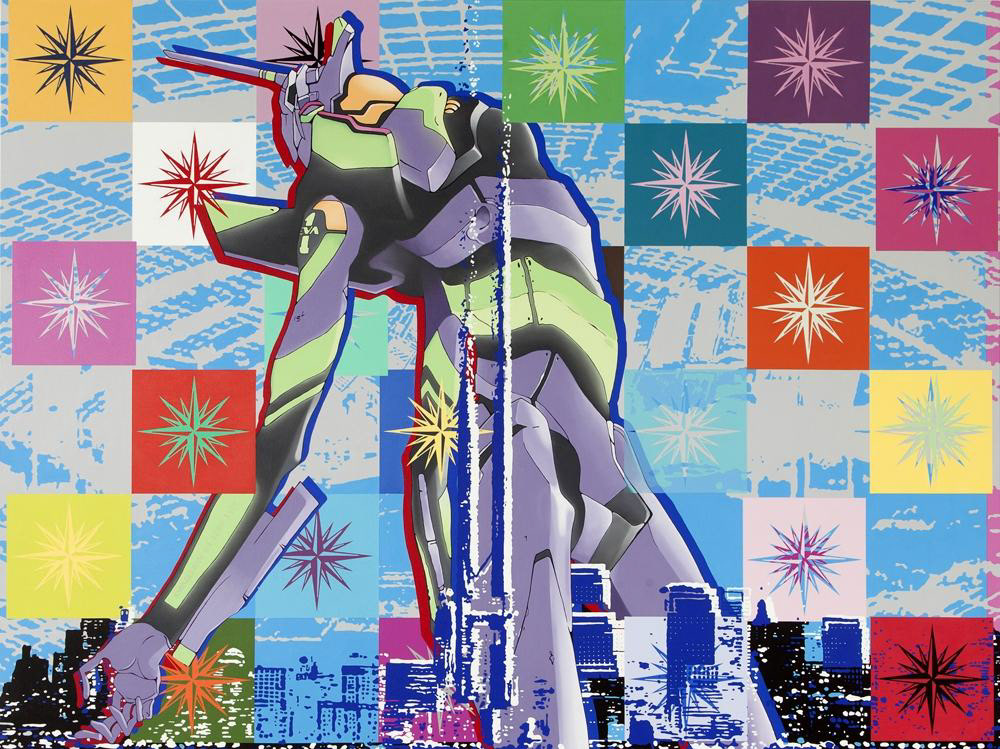
Where is he?, Oil on canvas, 180 x 240 cm, 2015
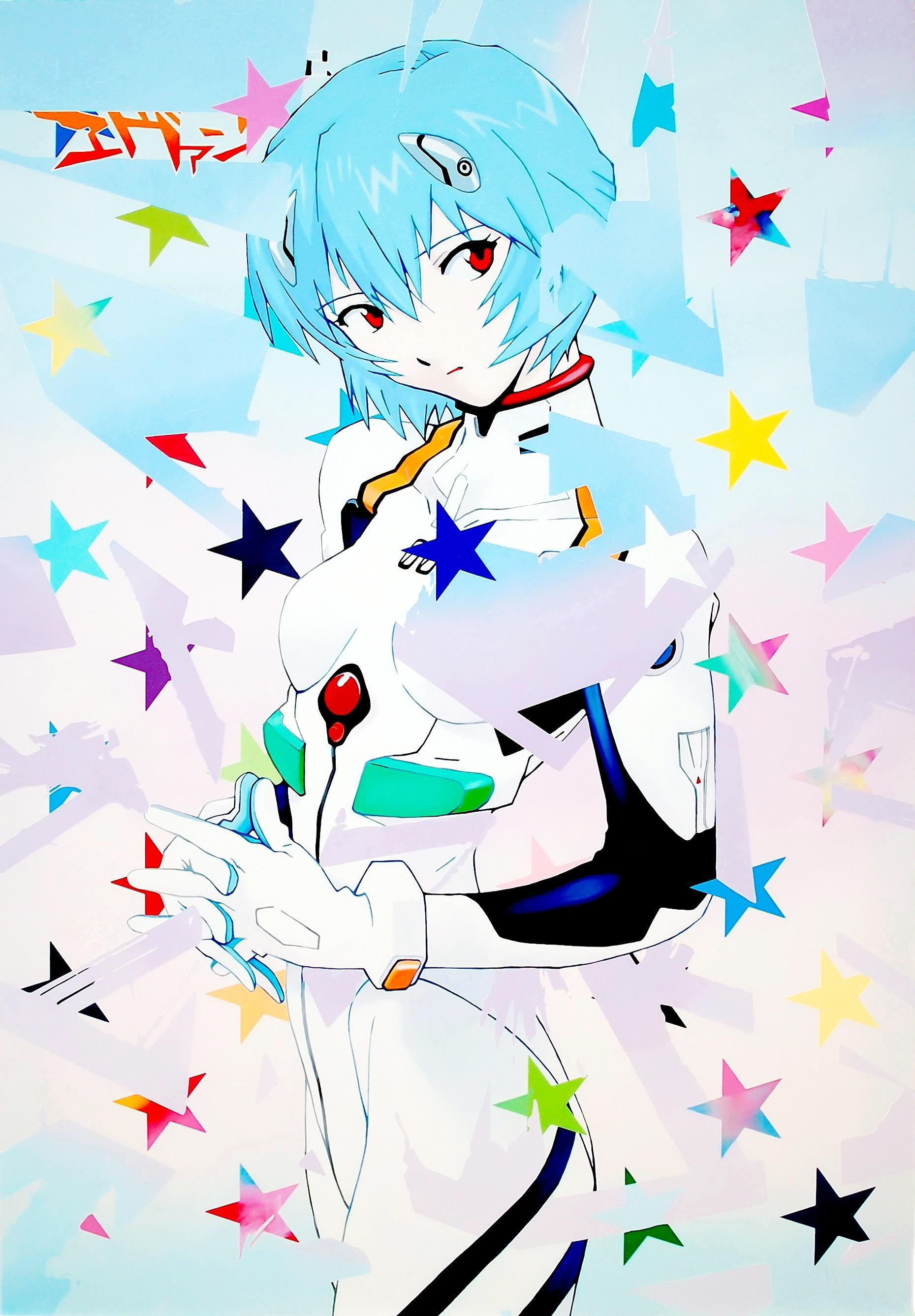
Rei in Beijing Stadium with Fifty Stars, Oil on canvas, 130.3 x 89.4 cm, 2015
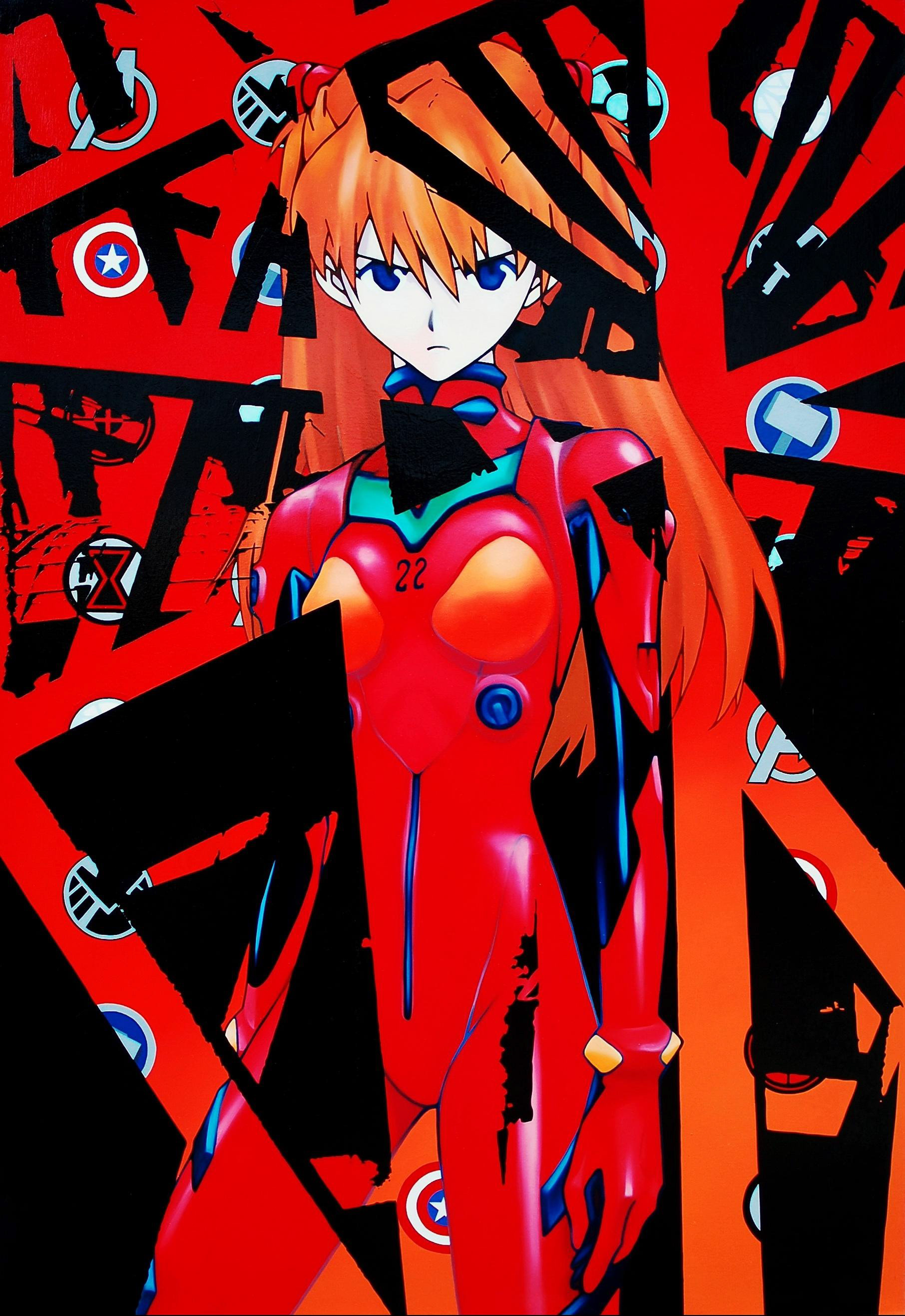
Asuka in the Beijing Stadium with the Avengers, Oil on canvas, 130.3 x 89.4 cm, 2015
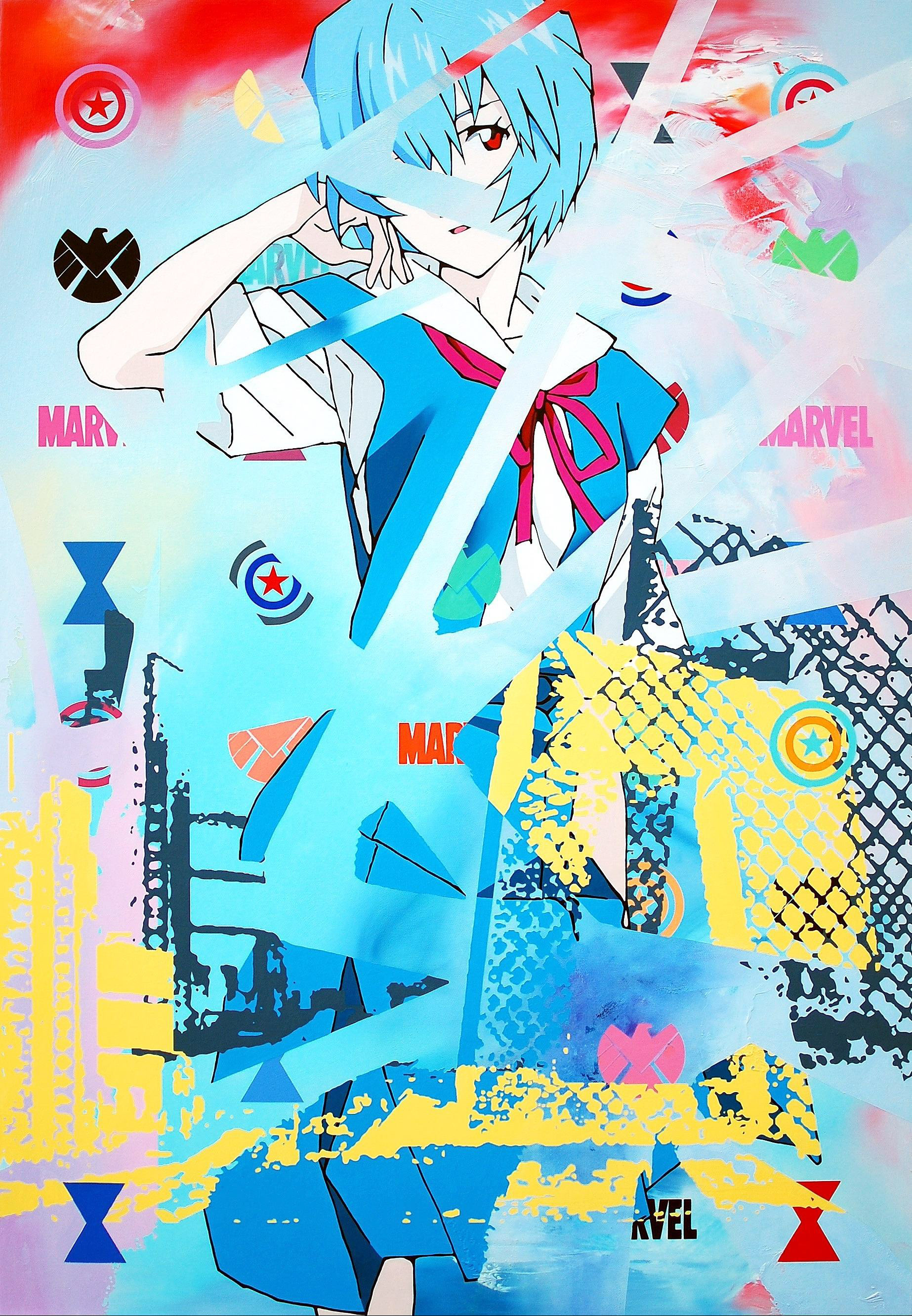
Rei in Beijing Stadium and CCTV with Captain America, The Winter Soldier, Oil on canvas, 130.3 x 89.4 cm, 2015
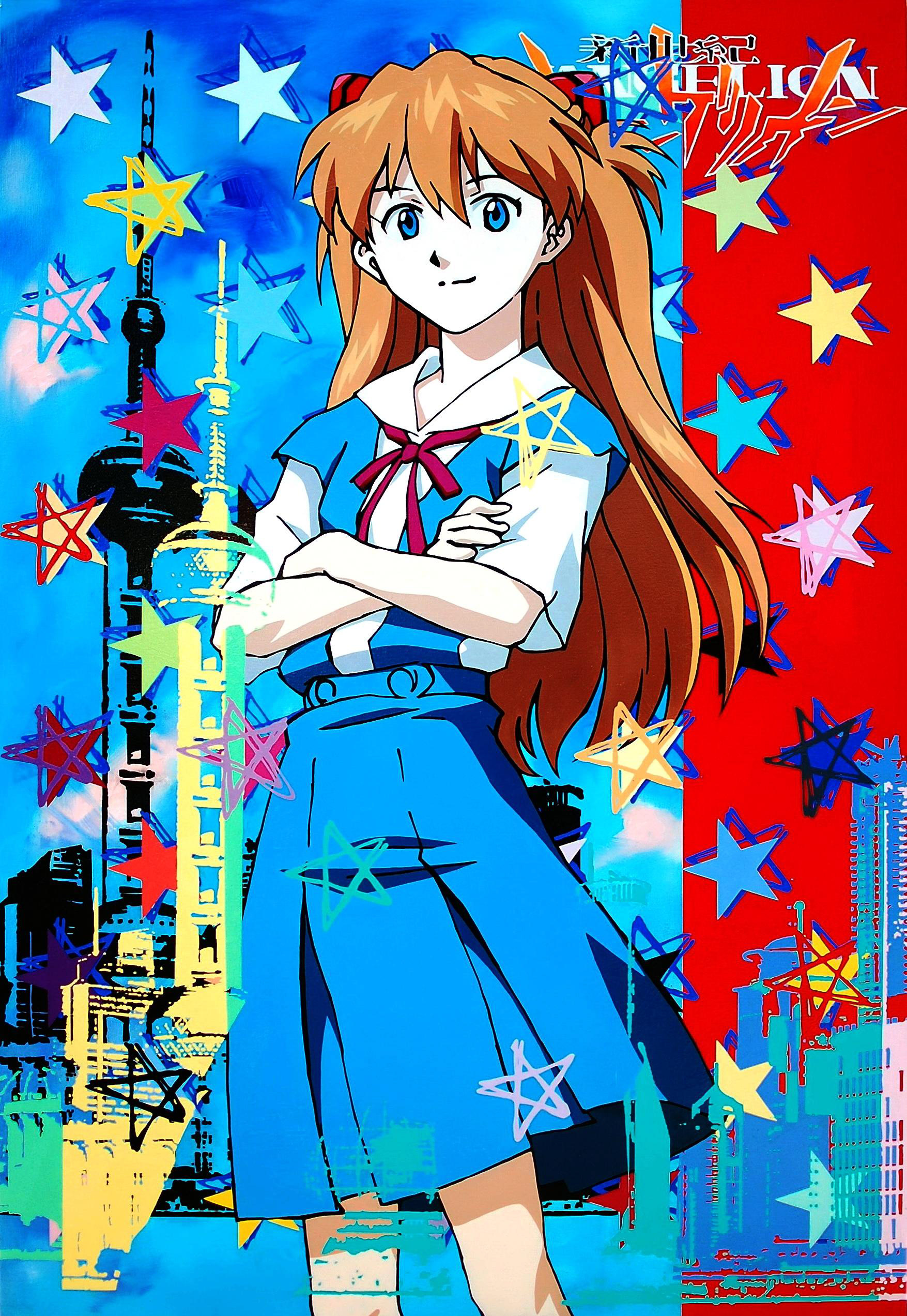
Asuka in Shanghai with Fifty Stars, Oil on canvas, 130.3 x 89.4 cm, 2015
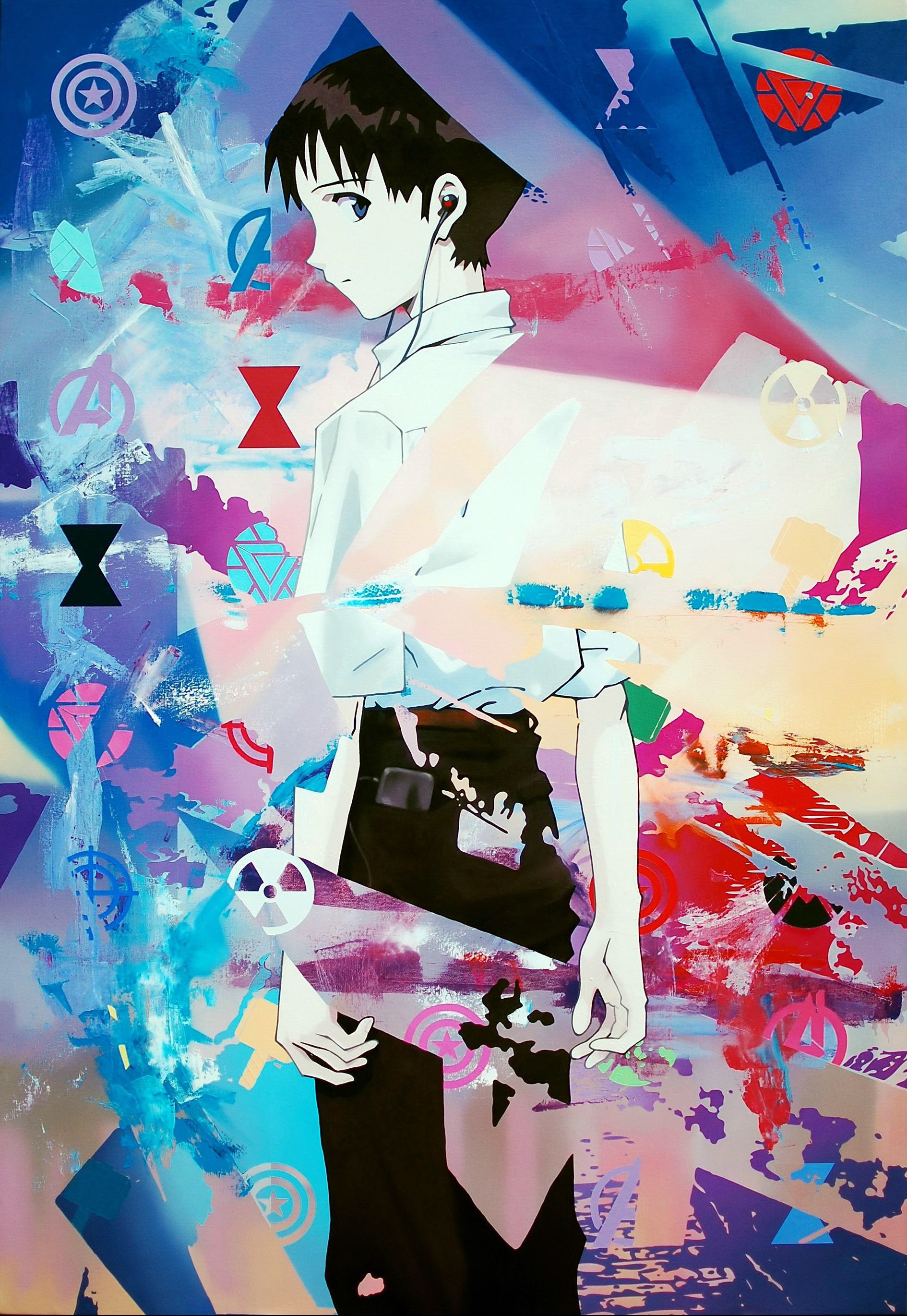
Shinji in the Great Wall with the Avengers in Beijing Stadium, Oil on canvas, 130.3 x 89.4 cm, 2015
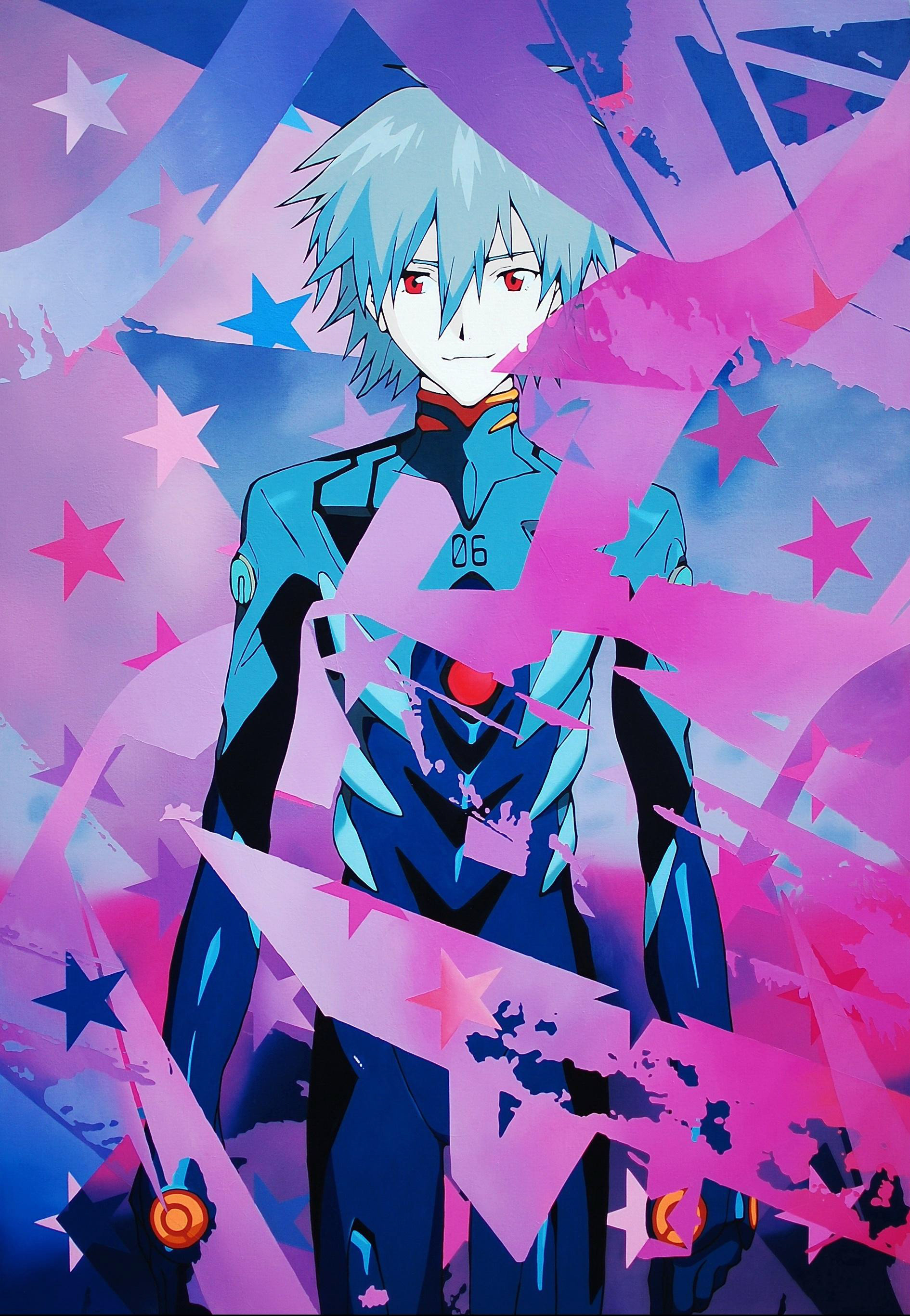
Kaworu in Beijing Stadium with Fifty Stars, Oil on canvas, 130.3 x 89.4 cm, 2015
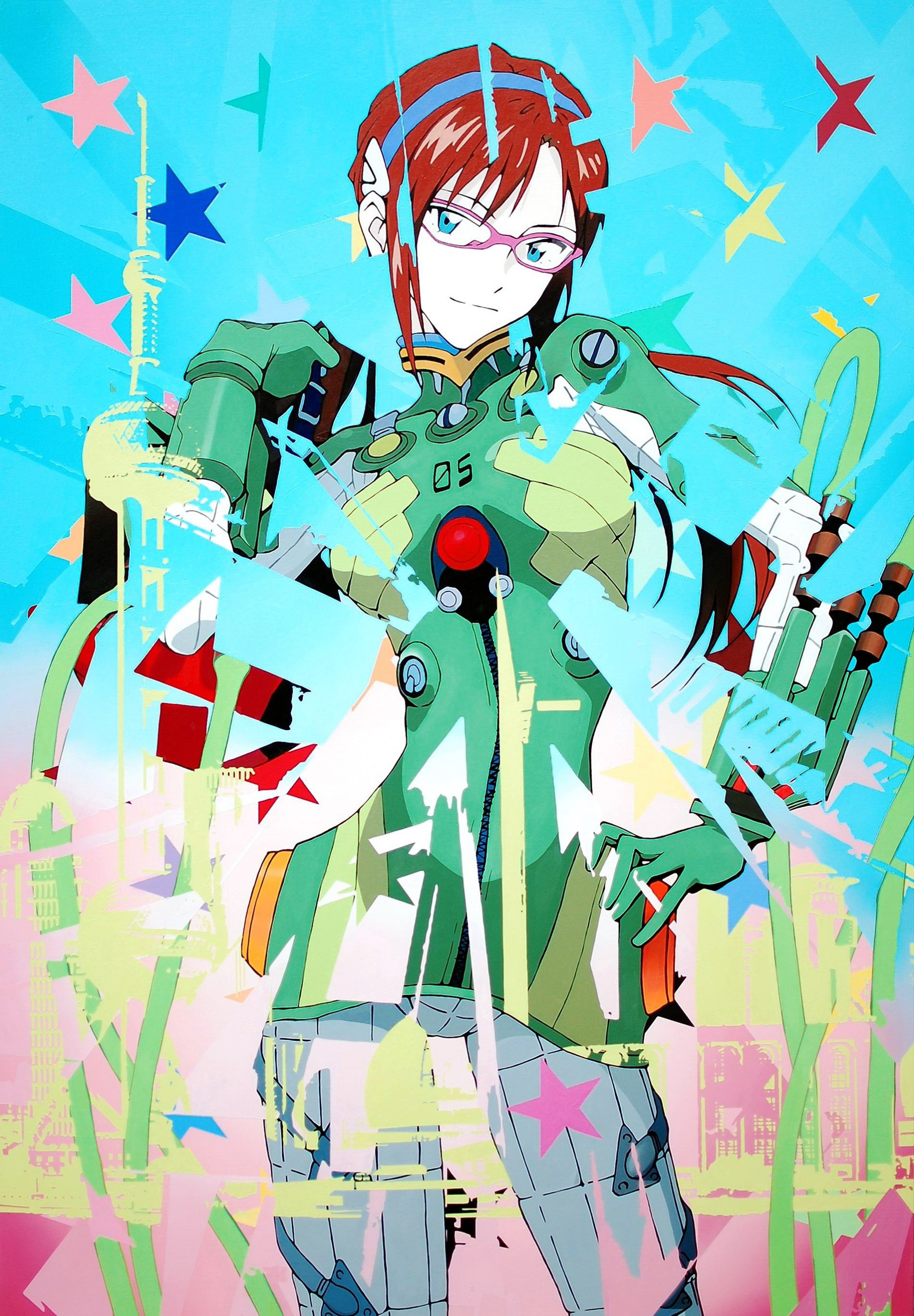
Mari in Shanghi with Fifty Stars in Beijing Stadium, Oil on canvas, 130.3 x 89.4 cm, 2015
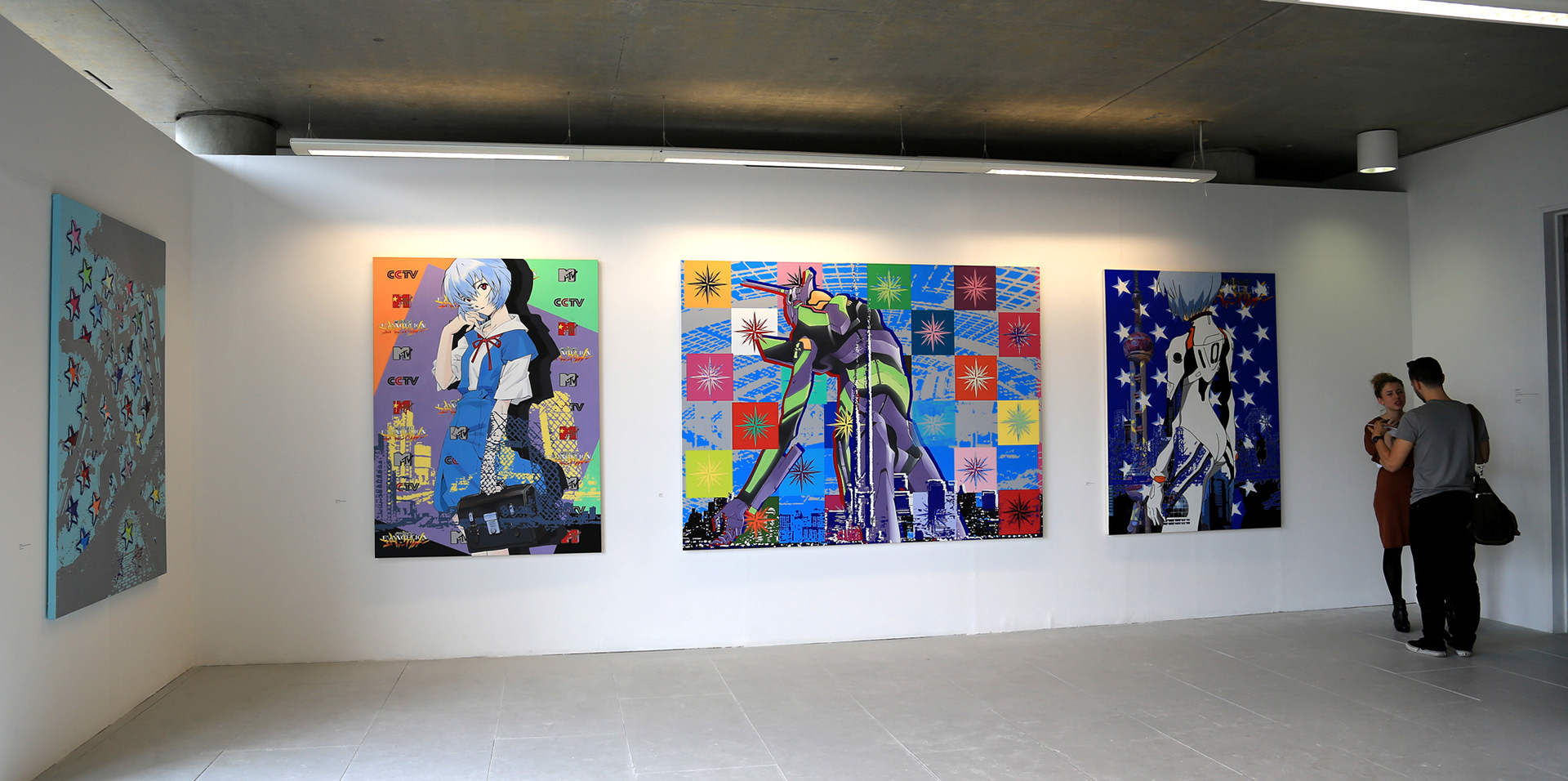
Goldsmiths Degree Show, 2012
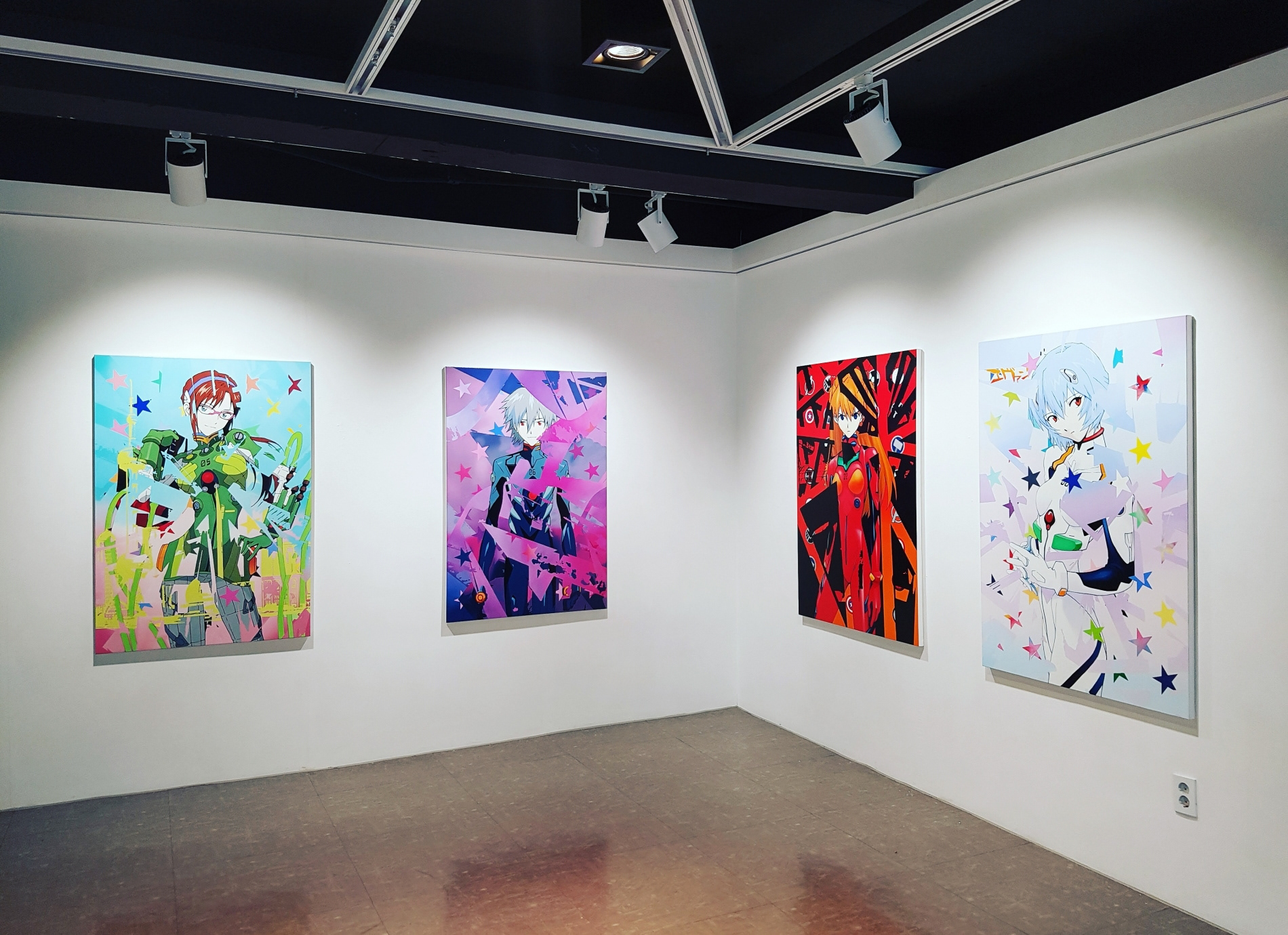
Made in Korea, @Seojin Artspace, Seoul, South Korea, 2016
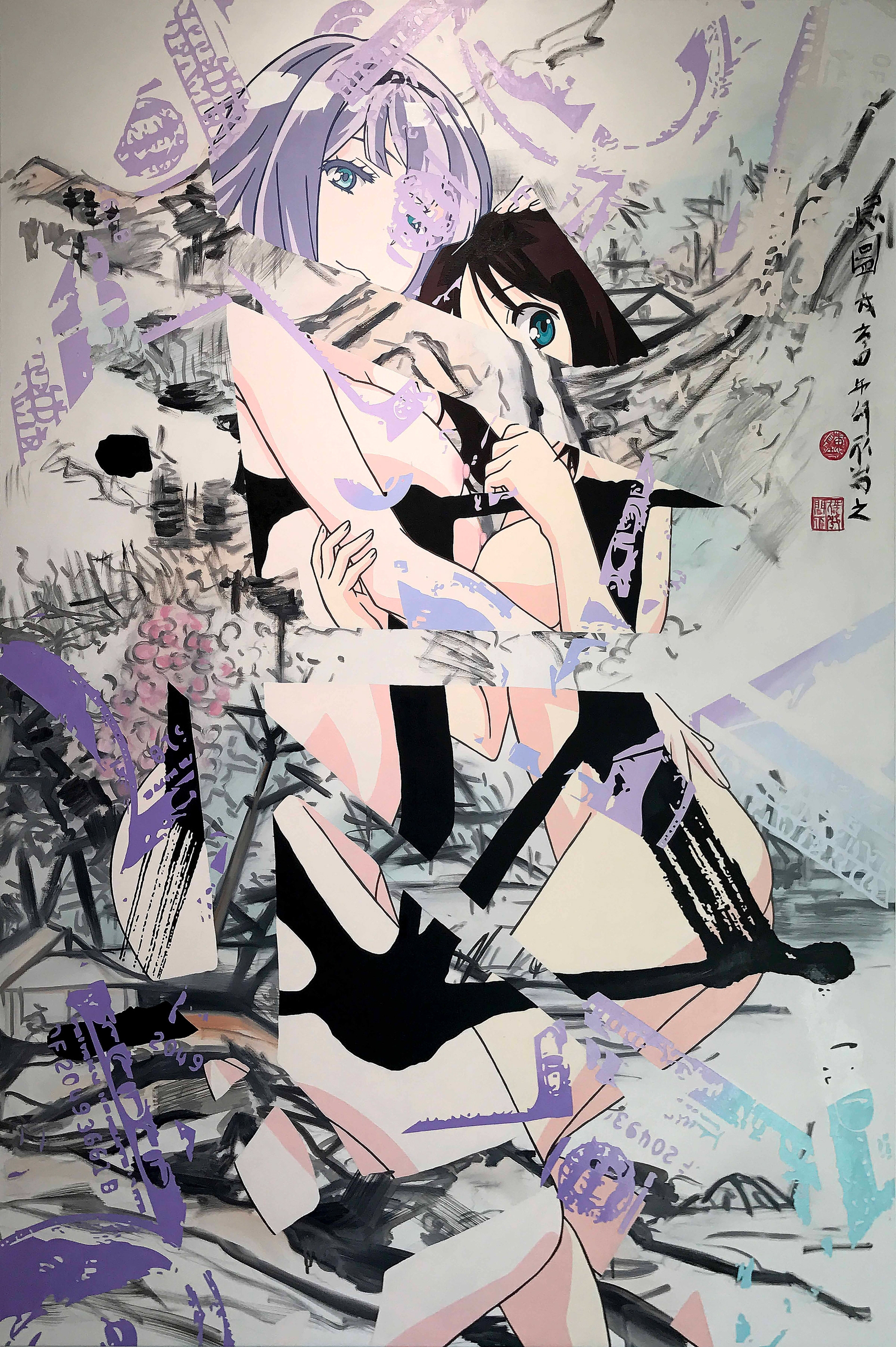
Two Girls in the Trap, Oil on canvas, 145.5 x 97 cm, 2016
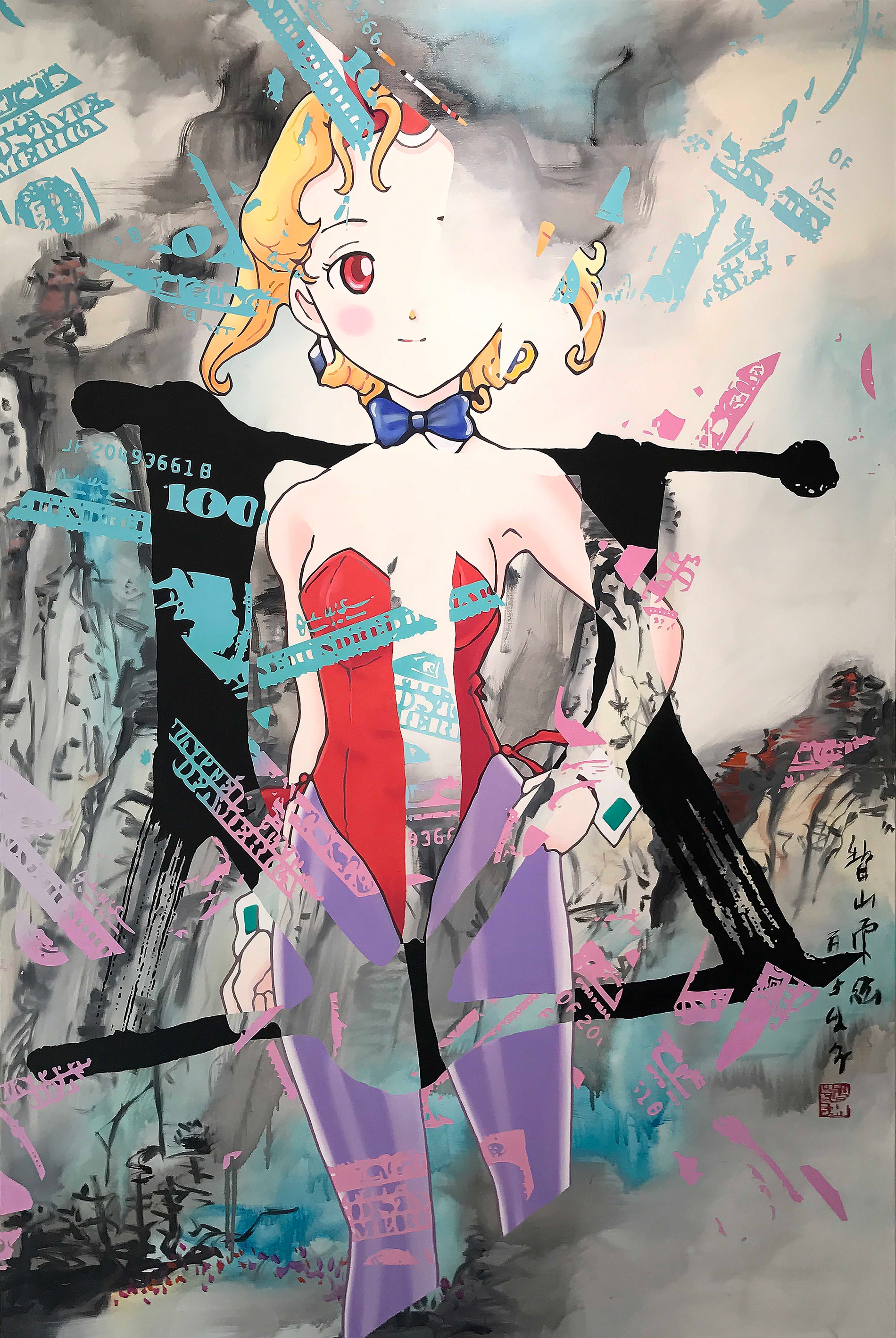
A Girl in the Trap, Oil on canvas, 145.5 x 97 cm, 2016
![Gundam Qan[T] in the Great Wall with Fifty Stars (White), Oil on canvas, 160 x 120 cm, 2013](https://cdn.myportfolio.com/e3f6c69d-8c6d-4afd-92c5-e2902c072e3b/1d7be24f-af03-44c9-b161-e66e4364170f_rw_1200.jpeg?h=e02aa6d4737c3cf0c8ed386589ccf3ee)
Gundam Qan[T] in the Great Wall with Fifty Stars (White), Oil on canvas, 160 x 120 cm, 2013
![Gundam Qan[T] in the Great Wall with Fifty Stars (Abstract), Oil on canvas, 160 x 120 cm, 2013](https://cdn.myportfolio.com/e3f6c69d-8c6d-4afd-92c5-e2902c072e3b/fbb1c69c-ed4e-45df-afa4-f62cccf6c806_rw_1200.jpeg?h=962c5ce7f642dce4c8c8069b8adf6663)
Gundam Qan[T] in the Great Wall with Fifty Stars (Abstract), Oil on canvas, 160 x 120 cm, 2013
![Gundam Qan[T] in the Great Wall with Fifty Stars (Blue), Oil on canvas, 160 x 120 cm, 2013](https://cdn.myportfolio.com/e3f6c69d-8c6d-4afd-92c5-e2902c072e3b/9f9aef22-8dac-4692-b568-d05e153b89c3_rw_1200.jpeg?h=33aad78d0ffea20aef6489428d673fc7)
Gundam Qan[T] in the Great Wall with Fifty Stars (Blue), Oil on canvas, 160 x 120 cm, 2013
![Gundam Qan[T] in the Great Wall with Fifty Stars (Black), Oil on canvas, 160 x 120 cm, 2013](https://cdn.myportfolio.com/e3f6c69d-8c6d-4afd-92c5-e2902c072e3b/bc4dadad-7378-4223-a24a-c5baa9a1eed6_rw_1200.jpeg?h=e522ff2275478f6dfc8320f200fbc5b3)
Gundam Qan[T] in the Great Wall with Fifty Stars (Black), Oil on canvas, 160 x 120 cm, 2013
![Gundam Qan[T] in the Great Wall with Fifty Stars (Silver), Oil on canvas, 160 x 120 cm, 2013](https://cdn.myportfolio.com/e3f6c69d-8c6d-4afd-92c5-e2902c072e3b/369a13ba-be71-485f-96ac-fe960e53dd23_rw_1200.jpeg?h=d53b59658f9ce9f608b8240eba98eedc)
Gundam Qan[T] in the Great Wall with Fifty Stars (Silver), Oil on canvas, 160 x 120 cm, 2013
![Gundam Qan[T] in the Great Wall with Fifty Stars (Red), Oil on canvas, 160 x 120 cm, 2013](https://cdn.myportfolio.com/e3f6c69d-8c6d-4afd-92c5-e2902c072e3b/97a3b0e6-1886-475e-ba76-b466c4e75654_rw_1200.jpeg?h=c1209d8b31c204d683fffb8a0bba5cc8)
Gundam Qan[T] in the Great Wall with Fifty Stars (Red), Oil on canvas, 160 x 120 cm, 2013
![Gundam Qan[T] in the Great Wall with Fifty Stars (Pink), Oil on canvas, 160 x 120 cm, 2013](https://cdn.myportfolio.com/e3f6c69d-8c6d-4afd-92c5-e2902c072e3b/9040fca1-bccb-4ccc-abe9-1db8e2f0f474_rw_1200.jpeg?h=4963bae1d5d5d5abdecf95e7155286d6)
Gundam Qan[T] in the Great Wall with Fifty Stars (Pink), Oil on canvas, 160 x 120 cm, 2013
![Gundam Qan[T] in the Great Wall with Fifty Stars, Acrylic on canvas, 180 x 135 cm, 2012](https://cdn.myportfolio.com/e3f6c69d-8c6d-4afd-92c5-e2902c072e3b/d6e473ca-0855-46e6-8371-ced70e539804_rw_1200.jpeg?h=ecb4c0e9f7c3453189f2fbd26d694fdc)
Gundam Qan[T] in the Great Wall with Fifty Stars, Acrylic on canvas, 180 x 135 cm, 2012
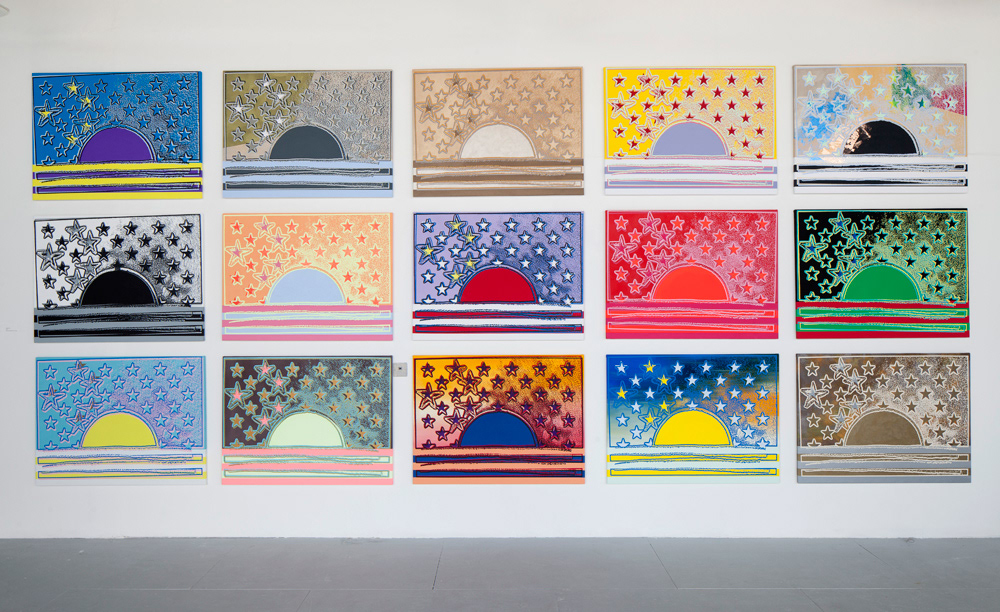
Goldsmiths Degree Show, 2012
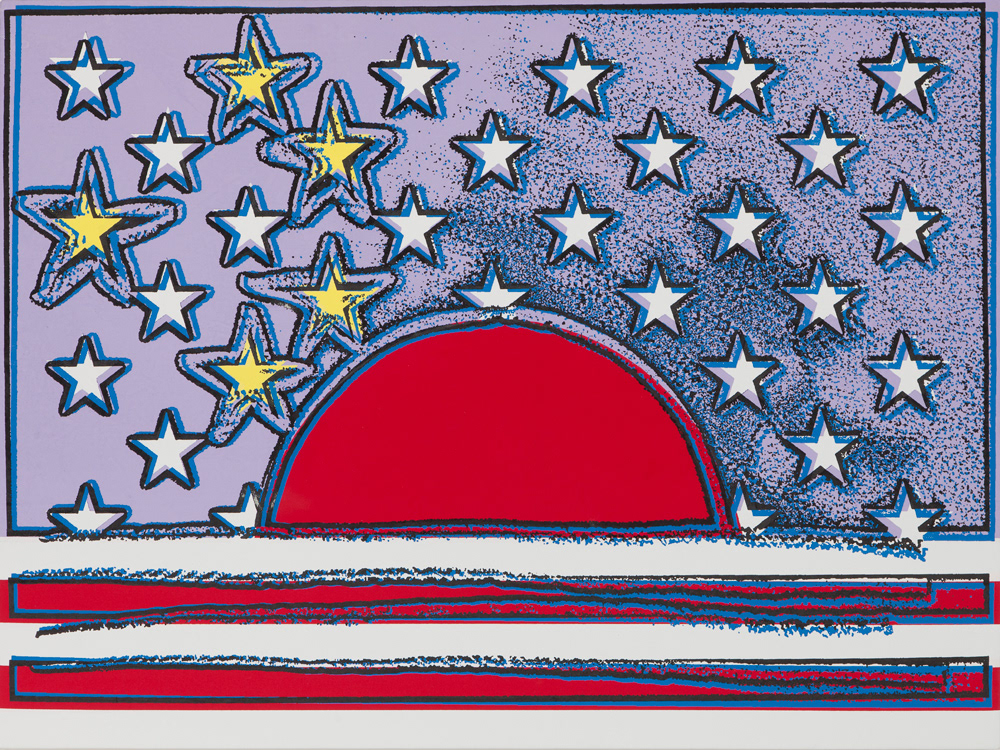
Sunset in Korea, Silkscreen ink on canvas, 76.2 x 101.6 cm, 2012
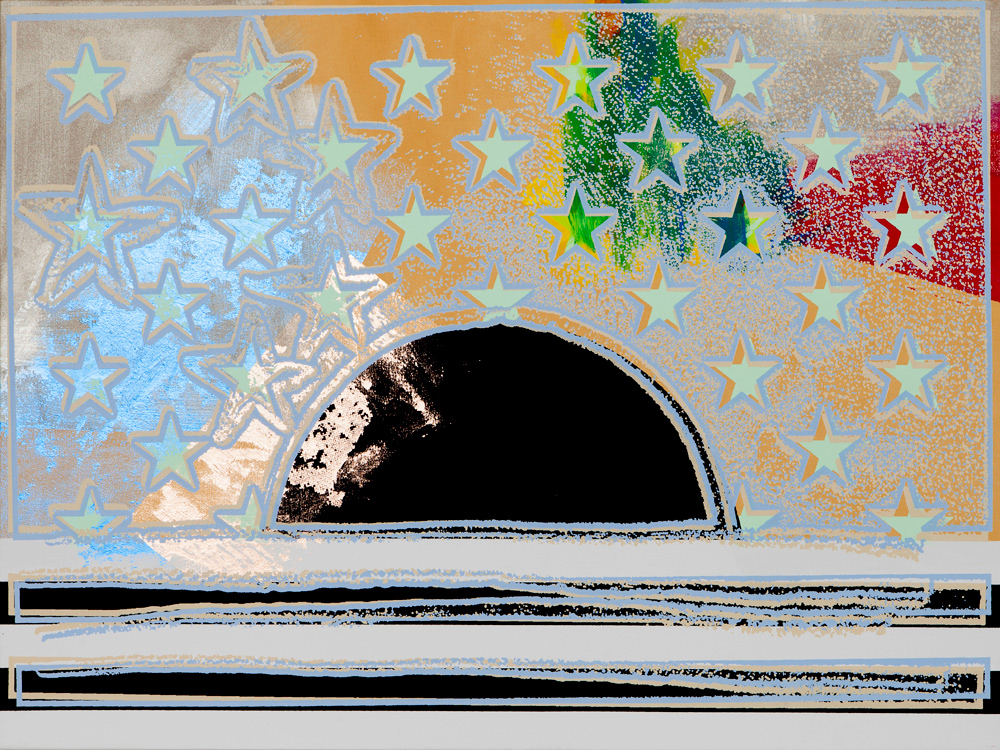
Sunset in Korea, Acrylic, foil and silkscreen ink on canvas, 76.2 x 101.2 cm, 2012

Sunset in Korea, Acrylic and silkscreen ink on canvas, 76.2 x 101.2 cm, 2012
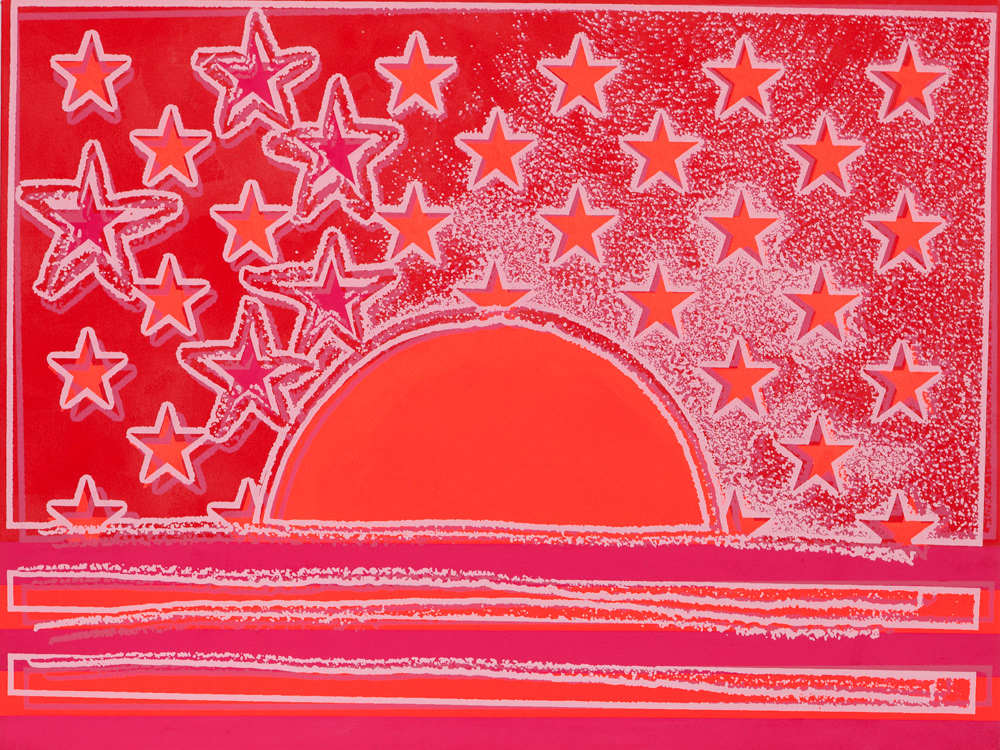
Sunset in Korea, Acrylic and silkscreen ink on canvas, 76.2 x 101.2 cm, 2012
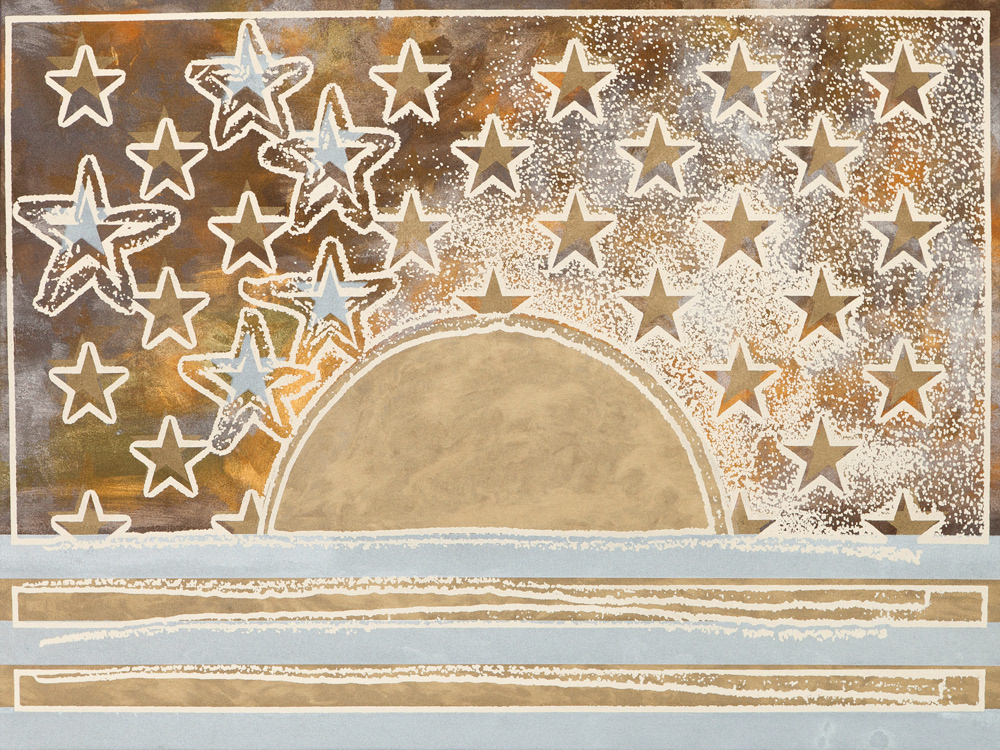
Sunset in Korea, Acrylic and silkscreen ink on canvas, 76.2 x 101.2 cm, 2012
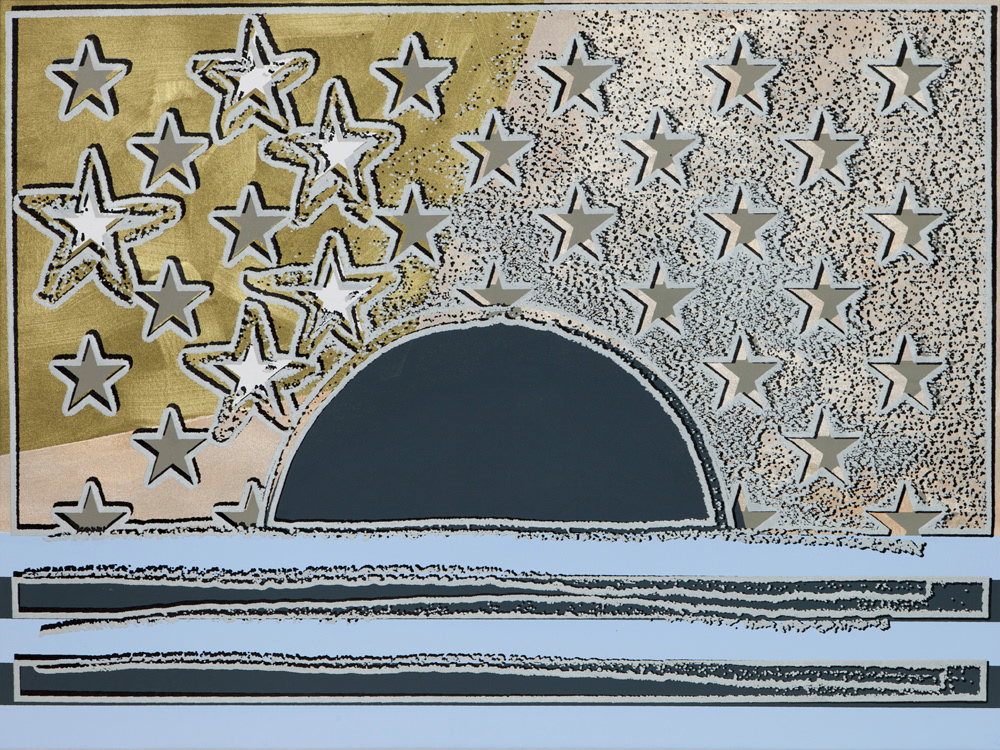
Sunset in Korea, Acrylic and silkscreen ink on canvas, 76.2 x 101.2 cm, 2012
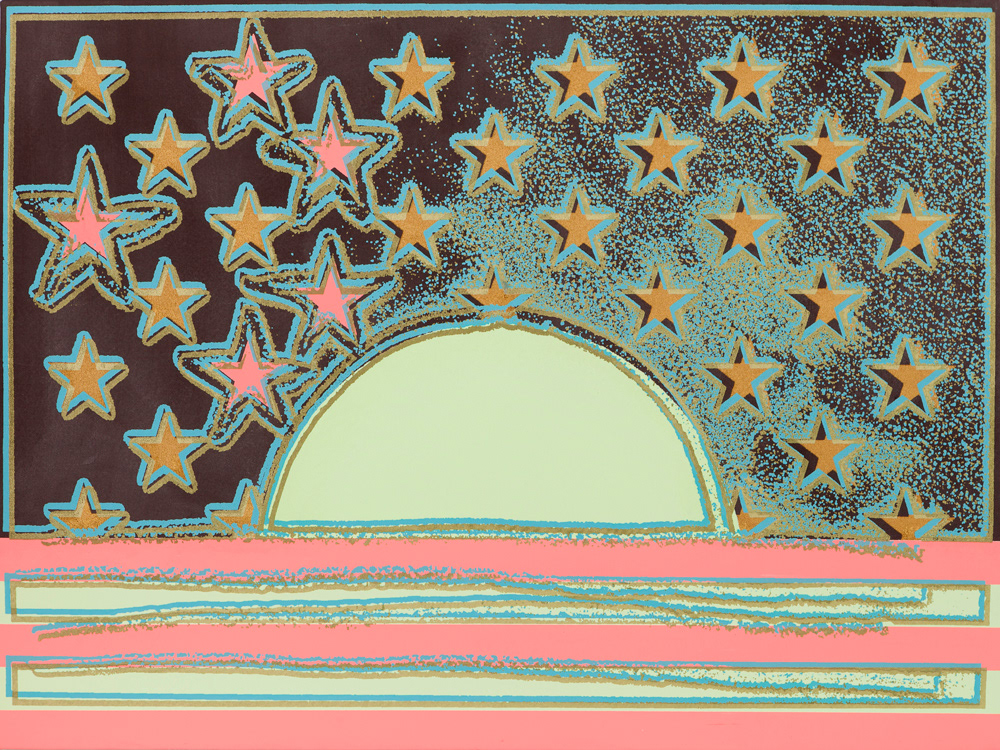
Sunset in Korea, Acrylic and silkscreen ink on canvas, 76.2 x 101.2 cm, 2012
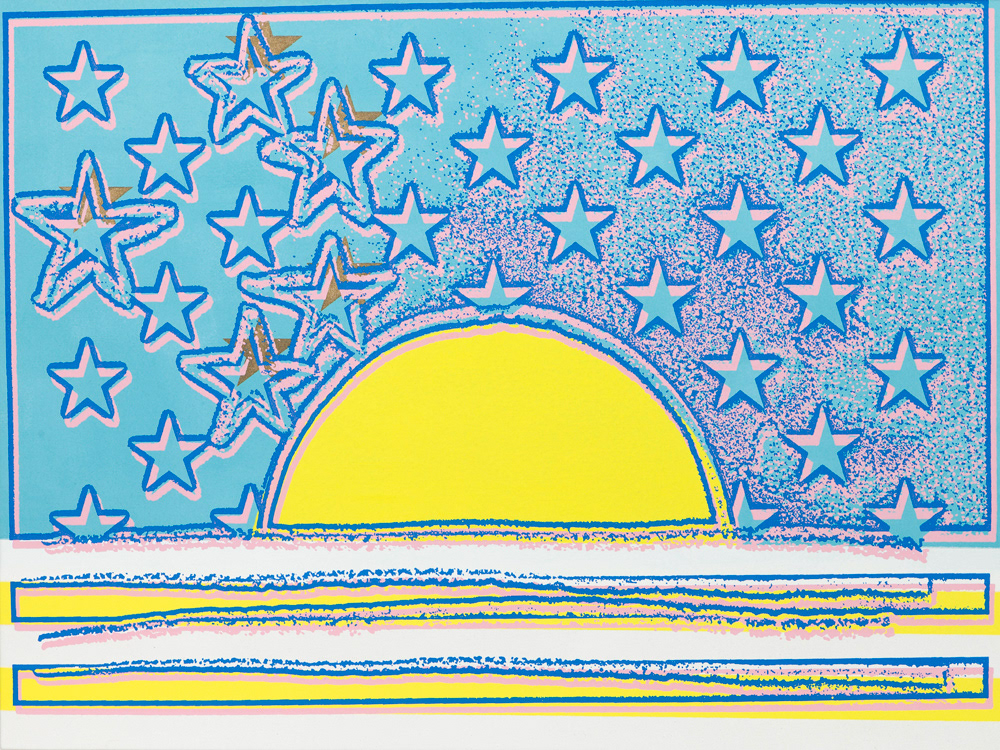
Sunset in Korea, Acrylic and silkscreen ink on canvas, 76.2 x 101.2 cm, 2012
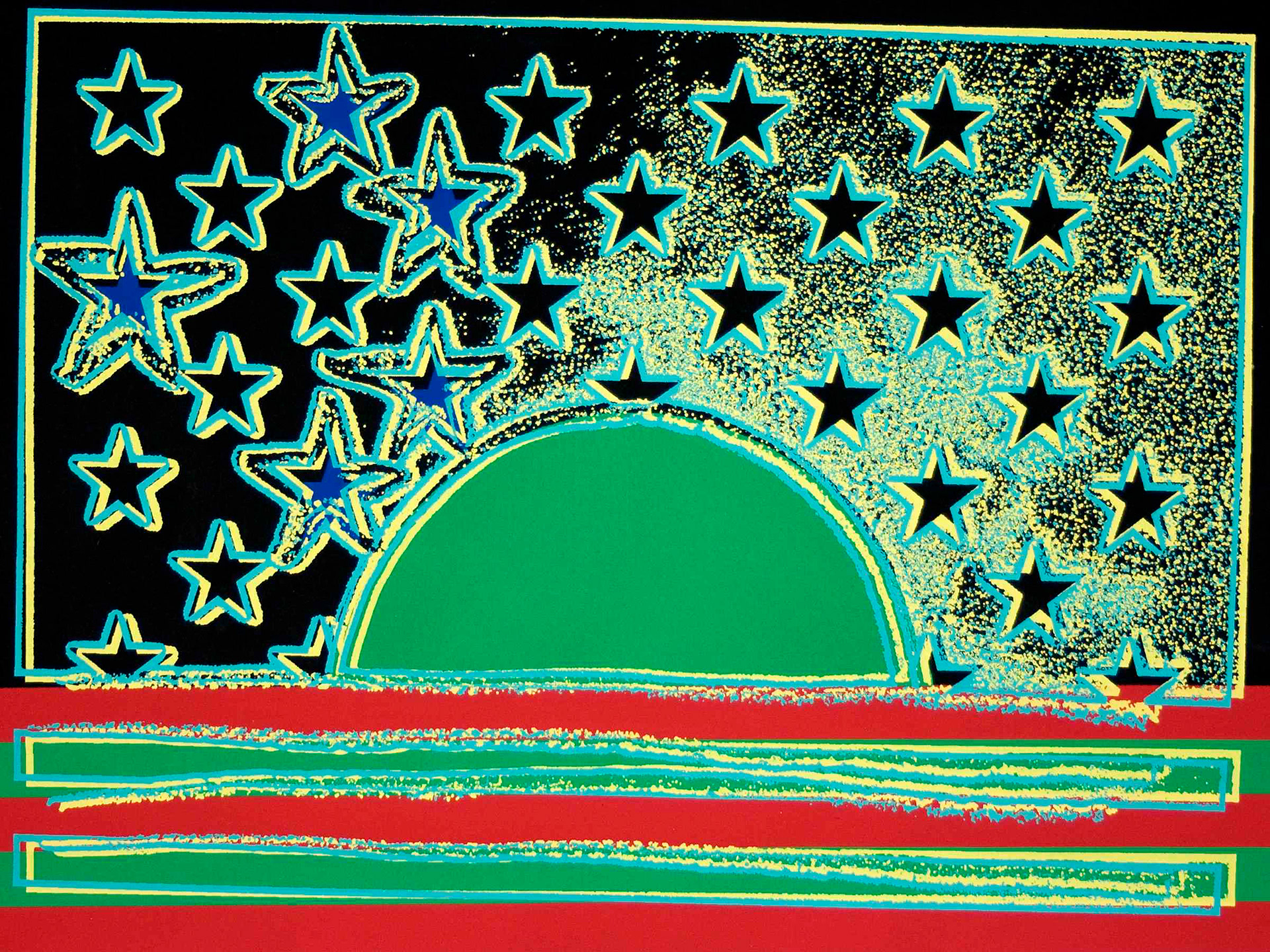
Sunset in Korea, Acrylic and silkscreen ink on canvas, 76.2 x 101.2 cm, 2012
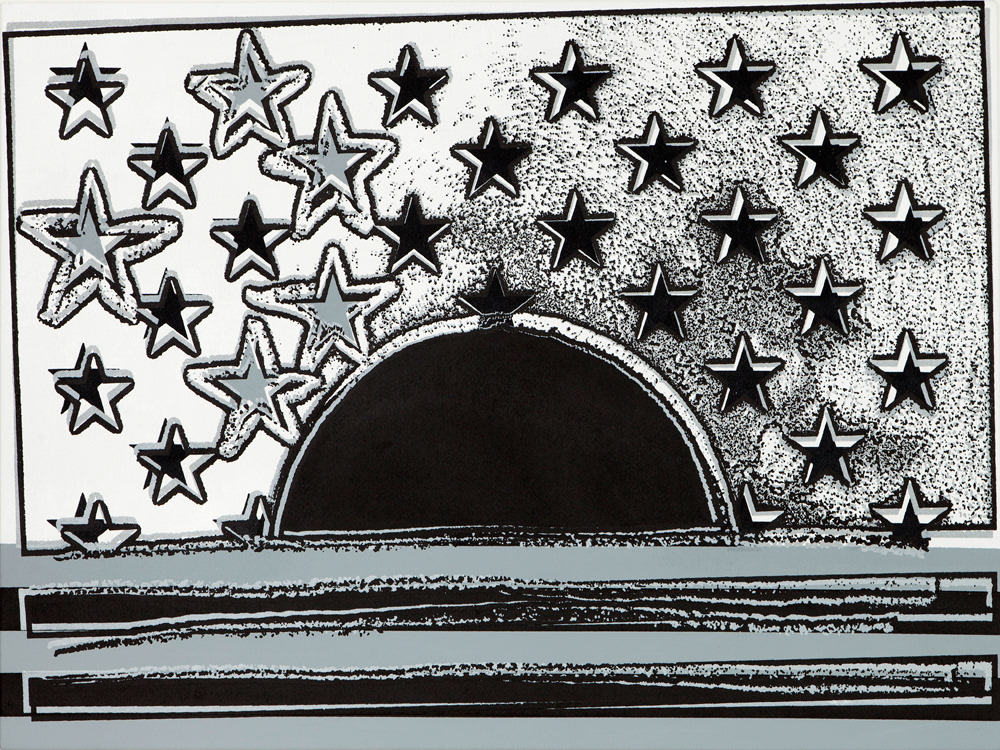
Sunset in Korea, Acrylic and silkscreen ink on canvas, 76.2 x 101.2 cm, 2012
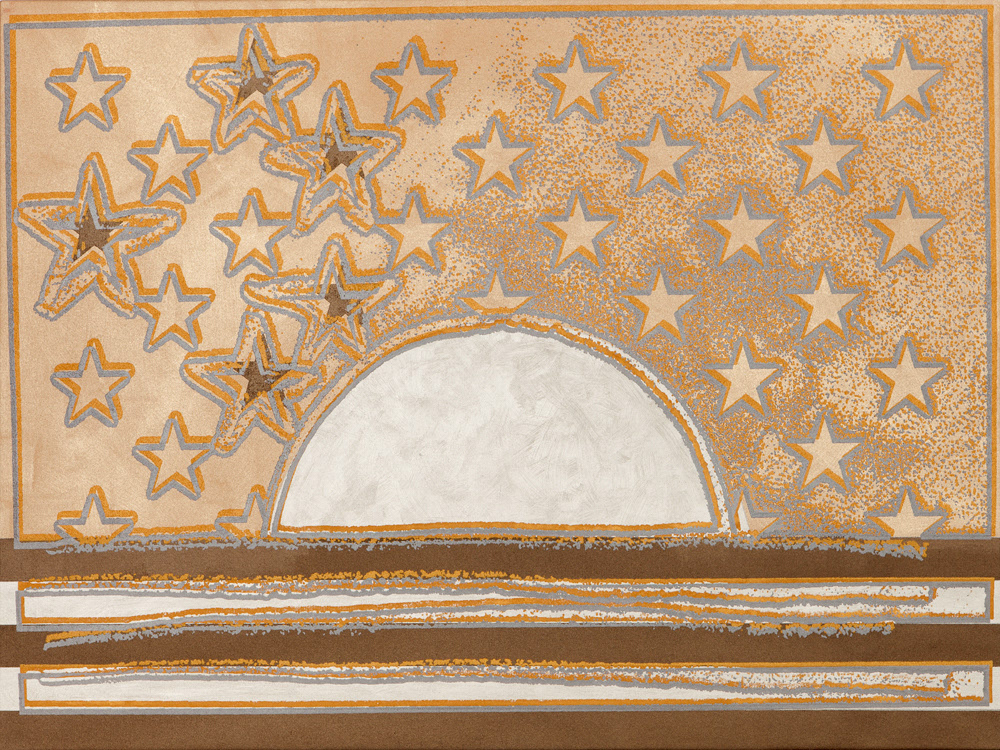
Sunset in Korea, Acrylic on canvas, 76.2 x 101.2 cm, 2012
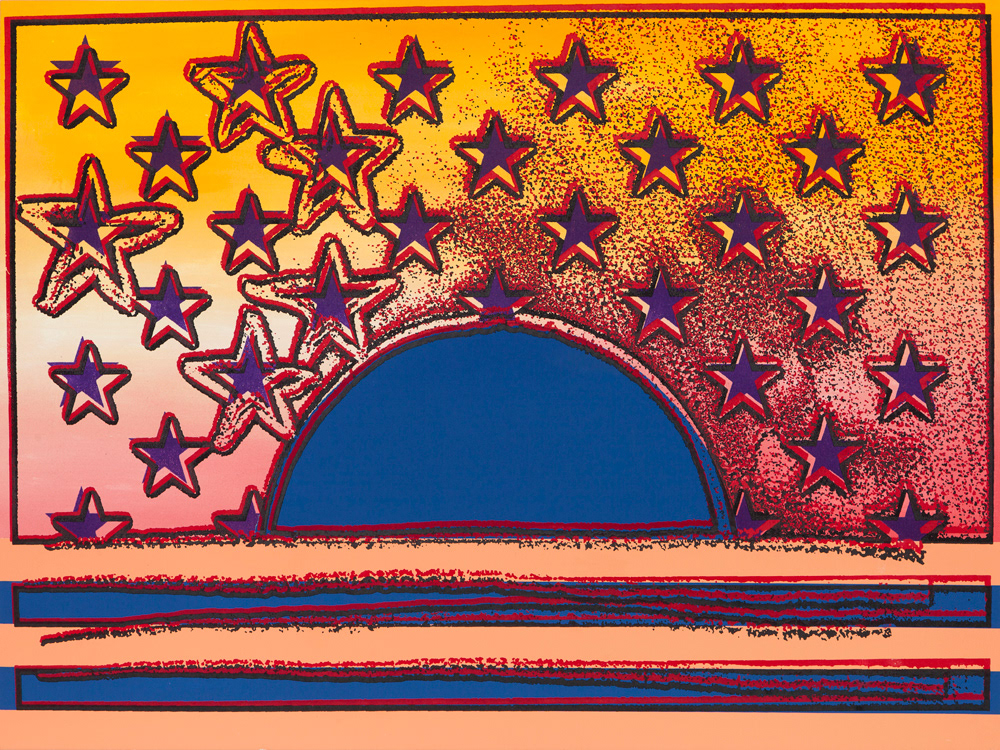
Sunset in Korea, Acrylic on canvas, 76.2 x 101.2 cm, 2012
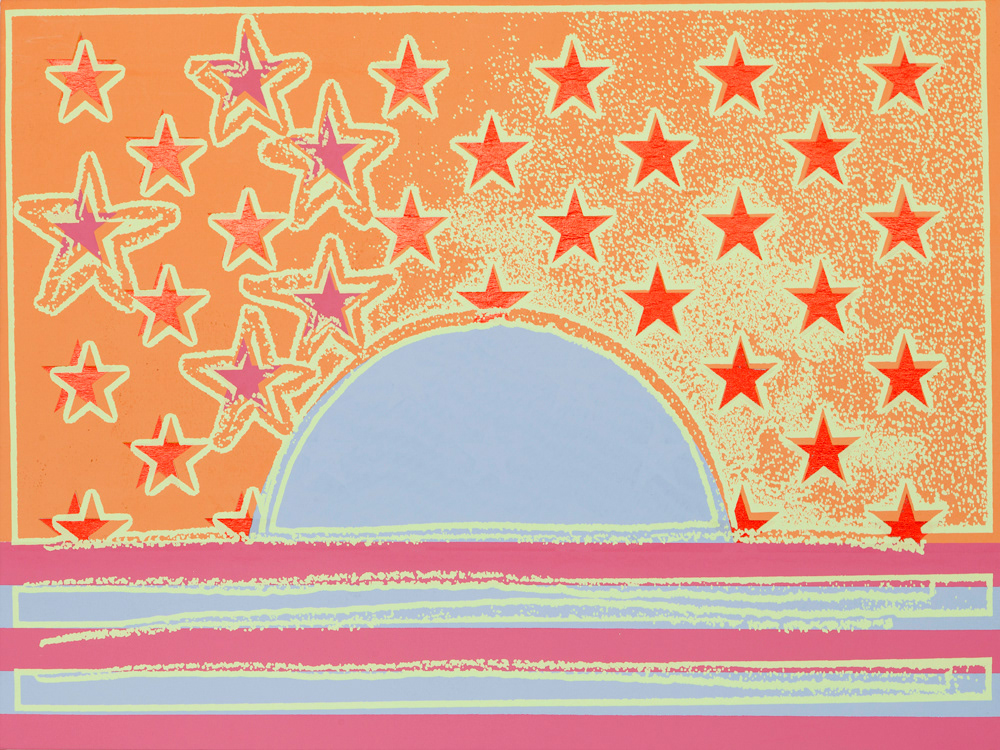
Sunset in Korea, Acrylic, foil and silkscreen ink on canvas, 76.2 x 101.2 cm, 2012
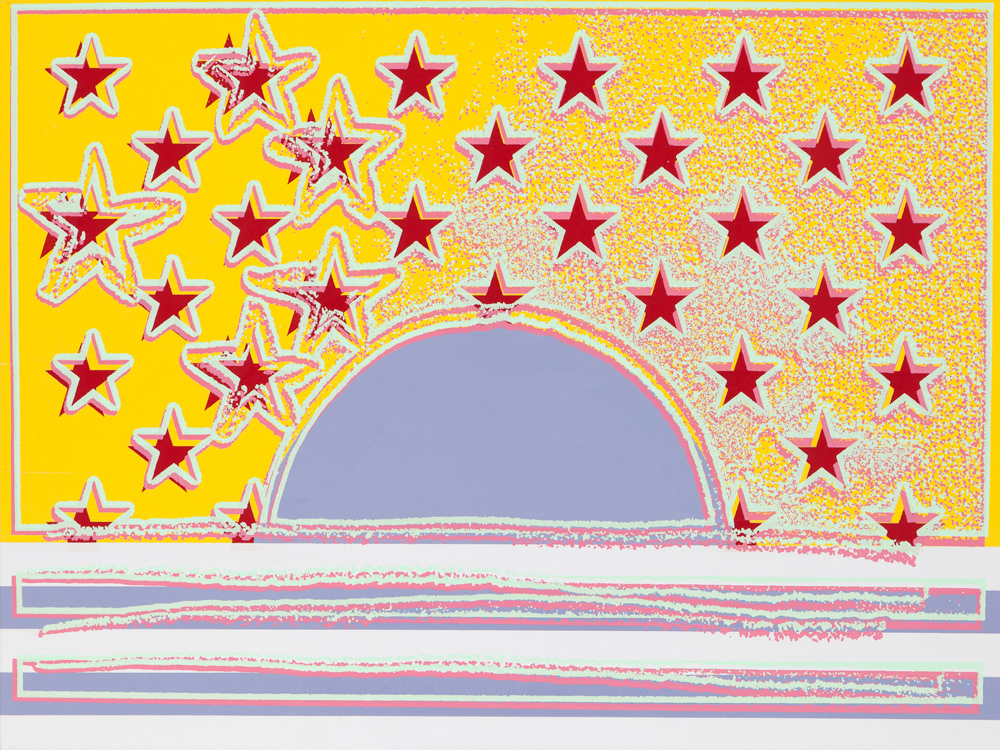
Sunset in Korea, Silkscreen ink on canvas, 76.2 x 101.6 cm, 2012